
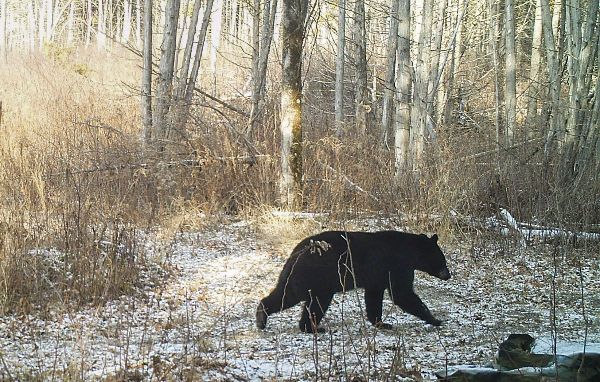
Vermont Fish and Wildlife Department biologists survey oak and beech stands around the state each fall to assess how plentiful acorns and beechnuts are because they are important fall foods for wildlife.
"We observed variable acorn production this fall across Vermont," said bear biologist Jaclyn Comeau. "Areas surveyed in Northern Vermont had poor acorn crops while sites across central and southern Vermont ranged from poor to excellent. We found acorn production varied widely from site to site. Crop failures were observed at some locations, while a nearby site could have a bumper crop," added Comeau.
"Beechnut production is poor throughout much of Vermont," said Comeau. "Most sites we visited were complete crop failures. However, we did find abundant crops at a few isolated locations in the Northeast Kingdom and southern Green Mountains."
In areas where acorns or beechnuts are not abundant, many of Vermont's wildlife species will be on the move looking for alternative food options before winter, and some bears will enter winter dens early.
"But no matter where you live, it is important for Vermonters to remain diligent about securely storing common bear attractants such as garbage and birdseed until winter conditions arrive and all bears enter their dens," added Comeau. "We recommend waiting until December when snow is on the ground before putting out bird feeders."
Vermont Fish and Wildlife has lots of helpful information about living with black bears on its website.