
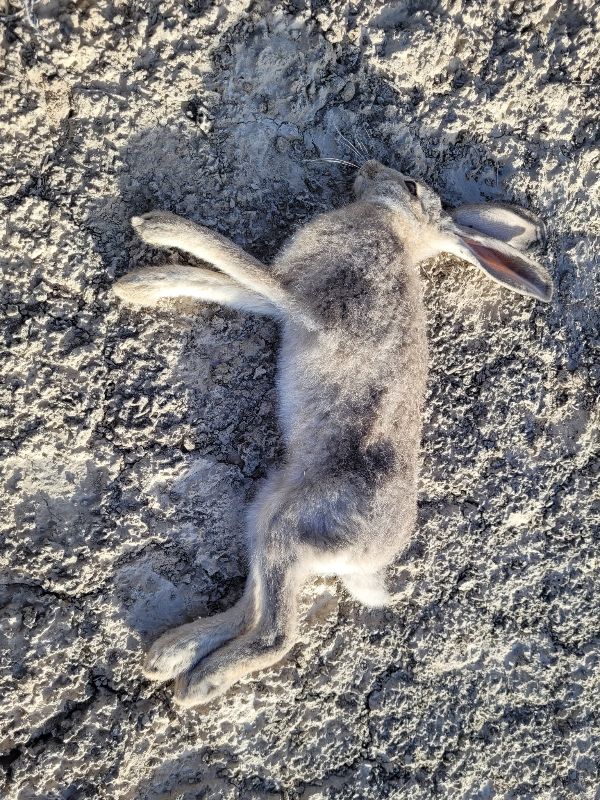
A disease that impacts rabbits and hares was recently confirmed in wild rabbit populations in Summit and Tooele counties.
Deceased cottontail rabbits in Kamas were discovered in late May and black-tailed jackrabbits in the West Desert were discovered in early June. The carcasses were submitted for testing at the Utah Veterinary Diagnostic Laboratory and were confirmed positive for rabbit hemorrhagic disease (RHDV-2).
RHDV-2 is a highly infectious, often fatal viral disease that affects both domestic and wild rabbit species. High fatalities from the disease may impact rabbit populations, which then impacts species that depend on rabbits as prey, such as golden eagles and bobcats. RHDV-2 was first detected in the United States in 2020. Since that time, the disease has been confirmed in Uintah, San Juan, Wayne, Sanpete and Iron counties in Utah and several neighboring states.
Prior to the most recent discovery in Summit and Tooele counties, the disease had not been confirmed in wild rabbits in Utah since July 11, 2022. There are currently no confirmed cases in domestic rabbits — the last domestic rabbit detection was in April 2025.
"RHDV-2 only infects wild and domestic rabbits and hares," Utah Division of Wildlife Resources Veterinarian Ginger Stout said. "It's not known to affect humans or livestock. However, precautions should be taken when handling rabbit and hare carcasses to avoid spreading RHDV-2 or other known infectious diseases that rabbits can carry."
Key signs of RHDV-2 in rabbits are bleeding from the mouth or nose. The virus causes liver inflammation that prevents blood from clotting, and eventually, the rabbit dies from internal hemorrhage (bleeding). Unfortunately, there is no treatment for RHDV-2. If you see multiple dead rabbits or rabbits with signs of the virus, leave them where they are, take a photo, record the location and contact the nearest DWR office.
"The virus can survive for months in the environment and can spread from dead rabbit carcasses or through food, water and any other contaminated materials, like the urine or feces of sick rabbits, or through contact with the feces of predators that have eaten infected rabbits," Stout said. "People can spread the virus indirectly by carrying it on their clothing and shoes if walking in and around areas where deceased rabbits are found."
It is extremely difficult to control the disease once it's established in the wild. Rabbit hunters and others who may come into contact with wild rabbits should follow safe practices:
- Do not harvest rabbits that appear sick or lethargic.
- Wear rubber or disposable latex gloves while handling and cleaning harvested game.
- Decontaminate boots and other field gear with a 10% bleach solution after handling rabbits.
- When cleaning harvested game, bag any remains and dispose of them by placing them in the trash. (Before doing so, check local ordinances concerning the disposal of game carcasses.)
- Do not dispose of remains where other rabbits or other scavengers may have access to them.
- When you are finished processing your harvested game, wash your hands thoroughly with soap or disinfectant, and disinfect all knives, equipment and surfaces that came in contact with the game.
- If later contact with live rabbits is possible, hunters should shower and change clothing immediately after cleaning harvested game.
- Do not eat, drink or smoke while handling harvested animals.
- All harvested game should be thoroughly cooked to an internal temperature of 165 degrees.
- If you notice any discoloration or hemorrhages on internal organs after harvesting the rabbit, or if you see anything that may appear abnormal or a cause for concern, please contact the nearest DWR office.
If you see signs of RHDV-2 in a domestic rabbit, contact your veterinarian immediately, or the State Veterinarian's office at 801-982-2235. For more information about RHDV-2 in domestic rabbits, visit the disease information page on the Utah Department of Agriculture and Food (UDAF) website.
For more information about this and other wildlife diseases, visit the DWR website or listen to the Wild podcast.