

Finding and interrupting the pathways that move invasive species to new places is key to preventing their spread. Often, these pathways involve people on the move or importing and transporting goods from place to place. Invasive species can hitchhike on vehicles and belongings, in packaging or even be the goods themselves!
The upcoming NotMISpecies webinars share how invasive species managers work to understand pathways of spread and use the knowledge and tools available to disrupt these pathways to protect Michigan's recreational and ecological treasures.
Supported by the Michigan Invasive Species program, the monthly, hourlong webinars are designed to keep people informed about available programs, current research and emerging issues in the state and the Great Lakes region. Q&A sessions and links to resources help attendees get the most out of each presentation.
Preserving dune diversity
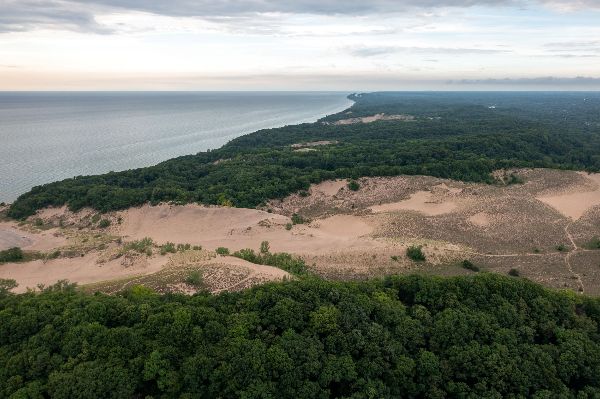
Michigan's coastal dune system is a natural wonder. Spanning nearly 300 miles of Lake Michigan and Lake Superior shoreline, it contains landforms, vegetation and climate found nowhere else on the planet. The Department of Environment, Great Lakes, and Energy's Critical Dune Area Program works to protect the diversity, quality and function of Michigan's dunes from many threats, including invasive species.
In Protecting a National Treasure: Managing Invasive Species in Critical Dune Areas (9 a.m. Wednesday, July 22), EGLE's Zach Chamberlin will explain the types of invasive species found in dune systems, their impacts and how EGLE works to protect dunes from invasive species through the Critical Dune Area permitting program.
Finding a winning strategy
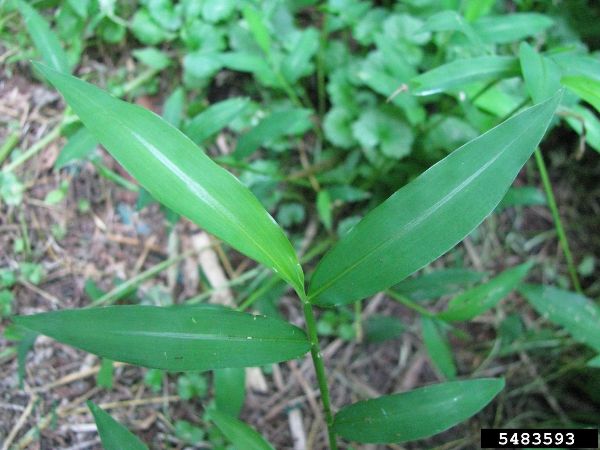
Anyone who has worked to manage invasive plants like garlic mustard or autumn olive knows it's about playing the long game. When new invasive plants, like those on Michigan's Watch List, arrive in our state, they don't come with a playbook. Determining how to effectively contain and control, or even where to look for, emerging populations of watch list plants requires teamwork.
Join Katie Grzesiak and Drew Rayner of the Michigan Department of Natural Resources for New Game, New Game Plan: Building Teams to Tackle Watch List Invasive Plants (9 a.m. Wednesday, Sept. 2). They will share how Michigan's Invasive Species Program is using federal grant funds to develop response plans and support local management of mile-a-minute weed, stiltgrass, lesser celandine and other invasive plants.
Giving species a hard no
Over 50 invasive species, from mussels and snails to fish and flowers, are regulated in Michigan – meaning they're illegal to possess, introduce, import, sell or trade. But how does a species get on that list?
Get the inside story on prohibited and restricted species in How'd That Get There? The Invasive Species Regulation Process in Michigan (9 a.m. Wednesday, Oct. 21). Susie Iott of the Michigan Department of Agriculture and Rural Development and Katie Grzesiak of the DNR will explain how and why species become regulated, the risk assessment used to evaluate invasive plants and how you can be involved in the process.
Tracking boater movement
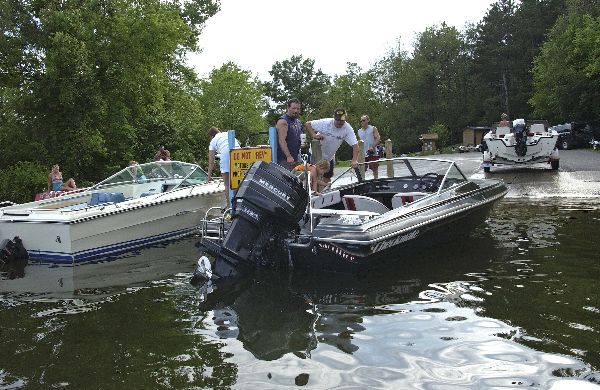
Have you ever been asked, "Where was the last body of water you visited?" when launching a boat or personal watercraft? If so, your response is being used to determine invasive species risk for locations across the Great Lakes region. Because aquatic invasive species can move by hitchhiking on recreational watercraft, understanding boater movement can help target prevention and management efforts.
In Where Did You Come From, Where Did You Go? Standardizing Boater Data in the Great Lakes Region (9 a.m. Tuesday, Nov. 17), meet the Great Lakes Commission's Theresa Gruninger and Taaja Tucker-Silva. Both are working to standardize watercraft data collection across the region. Join them as they share their progress and highlight the benefits of uniform data collection.
If you have missed a session you would like to see, recorded versions of all previous webinars are available on the NotMISpecies webpage.
Michigan's Invasive Species Program, a collaborative effort of the departments of Natural Resources; Environment, Great Lakes, and Energy; and Agriculture and Rural Development, coordinates and supports invasive species initiatives across the state and provides support through the Michigan Invasive Species Grant Program.