The Arkansas Game and Fish Commission corrected incorrect duck season dates in the July/August Arkansas Wildlife magazine and a recent mailer. The first segment of the 2026-27 duck, coot and merganser season closes Nov. 29, not Dec. 1 as previously listed.
Hunting
Governor Mike Braun encourages Indiana hunters to donate harvested deer through Hunt for Hunger, a DNR program administered with nonprofit partners including Hoosiers Feeding the Hungry, Dubois County Sportsmen Club, and Hunters and Farmers Feeding the Hungry. Since 2008, the program has distributed over 500,000 pounds of venison to food banks and meal programs statewide.
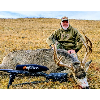
An SCI Life Member shares his experience winning the Alberta Mule Deer Hunt Sweepstakes through SCI Foundation. His adventure with Trust the Land Outfitters and guide Grayson resulted in unforgettable memories, exceptional hospitality, and a beautiful harvest in Alberta's stunning landscapes.
The Arizona Game and Fish Department advises bear hunters to verify annual harvest limits in their desired game management units before nonpermit-tag hunts opening today. Hunters must report harvests within 48 hours and present the bear's skull and hide for inspection within 10 days.
Idaho Fish and Game provides essential firearm safety guidelines for fall hunting season. The National Shooting Sports Foundation reports hunting is one of the safest recreational activities, with Idaho experiencing very few firearms-related accidents despite approximately 280,000 annual hunters. Key safety practices include treating every firearm as loaded, controlling muzzle direction, and never touching the trigger until ready to shoot.
Pennsylvania's archery deer season opens October 3, 2026, running through November 20, with a reopening December 26 through January 24, 2027. The 2026-27 season marks the first year with expanded Sunday hunting. The Game Commission reminds hunters of new Chronic Wasting Disease regulations and tree stand safety requirements.
Michigan DNR announces October hunting opportunities including small game, waterfowl, and deer seasons with specific dates and regulations. Hunters are reminded to report deer harvests online using the Michigan DNR Hunt Fish app and to monitor wildlife disease updates including EHD, bovine TB, and CWD.
Idaho's youth pheasant hunting season begins October 8-14 for hunters 17 and younger with a valid license. Young hunters without prior licensing can participate through Idaho's Hunting Passport Program if accompanied by an adult. Nearly 29,000 pheasants will be stocked across 24 locations statewide.
Montana's Block Management Program, established in 1985 and expanded in 1996, provides free public hunting across the state. The Hunter Landowner Stewardship Program encourages ethical hunting on private land through educational videos and a raffle featuring prizes from partners including MPG Ranch, MOGA, Weatherby, Maven, onX, and others.
Wyoming Game and Fish Department Hunter Education Coordinator Katie Simpson shares essential hunting safety tips as season arrives in the Cowboy State. Common accidents involve vehicles and obstacle crossing, with emphasis on unloading firearms, knowing targets, and wearing fluorescent orange during firearm seasons.
The Arizona Game and Fish Department (AZGFD) reminds hunters that applications for spring turkey, javelina, bison, bear, and raptor capture must be submitted by 11:59 p.m. on Tuesday, October 6. AZGFD customer service will provide phone support until the deadline.
The Utah Division of Wildlife Resources is asking hunters to bring harvested deer to check stations across the state for chronic wasting disease testing. As of February 2026, 435 mule deer and 11 elk have tested positive for CWD in Utah. DWR State Wildlife Veterinarian Ginger Stout emphasizes that testing is crucial for monitoring the disease and maintaining healthy deer populations.
Wyoming Game and Fish asks hunters to avoid targeting collared mule deer, elk, pronghorn, moose, and bighorn sheep used in ongoing research projects. Supervisor Embere Hall explains these studies examine habitat use, survival, and herd health to inform future management decisions. Hunters who harvest collared animals should contact regional offices to retrieve equipment for data analysis.
Wyoming Game and Fish encourages hunters to submit chronic wasting disease samples from harvested deer, elk, and moose to help monitor the fatal neurological disease. Hunters can extract lymph nodes themselves or have Game and Fish collect samples at regional offices, headquarters, or field check stations, with results typically available online within three weeks.
Duck Commander celebrates Louisiana's inaugural black-bellied whistling duck hunting season running October 3-11, 2026. The Louisiana Department of Wildlife and Fisheries established the season to provide hunters with dedicated opportunities to pursue the expanding species while promoting conservation and responsible stewardship.
A free Hunter Education field day for online students ages 12-17 will be held at Spotted Eagle Recreation Area in Miles City on October 9 from 10 a.m. to 12 p.m. Participants must demonstrate firearm safety proficiency using inert firearms to complete their certification before hunting season.
The Arizona Deer Association is raffling a Special Big Game Elk Tag with a Sept. 30 deadline. Tickets cost $20 with no purchase limits, and all proceeds support the Arizona Game and Fish Department and Arizona Habitat Partnership Committee's conservation efforts.
The Ohio Department of Natural Resources Division of Wildlife is expanding its Field to Food Bank program, asking hunters to donate extra deer during the 2026 hunting season. Partnering with Ohio Penal Industries and the Ohio Association of Foodbanks, the program processed 182 deer into 36,400 venison servings in its first year, addressing both wildlife management and food insecurity.
Montana Fish, Wildlife & Parks is offering a hunter education field day for online students in Bainville on October 11 from 11 a.m. to 2 p.m. at the Bainville Fire Hall. Participants will receive hands-on instruction in firearm safety, hunting ethics, and other skills using inert firearms.
Montana hunters must prepare for grizzly bear encounters in western mountainous areas by carrying bear spray, passing bear identification tests, and properly hanging meat. FWP recommends trip planning, awareness of bear signs, and securing camps to prevent conflicts in grizzly country.