
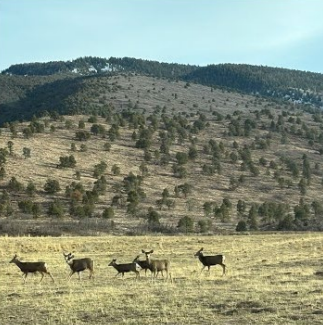
During fiscal year 2025, the Utah Division of Wildlife Resources completed 133 habitat projects, specifically to help mule deer populations in Utah.
Over the past few decades, Utah has seen periods of growth and decline in deer numbers. The most recent population estimate is approximately 324,000 deer statewide. Over the past 10 years, the statewide deer population estimate has ranged from a low of 278,000 to a high of 374,000.
As a result, for the past several years, the DWR has prioritized habitat restoration projects and other projects that will directly benefit deer and help grow their populations. From July 2024 to June 2025, $55 million in funding went toward 133 deer-related habitat projects, totaling more than 114,277 acres restored or preserved across Utah. Forty-nine partners also contributed to the funding of these deer-specific projects.
"While we have made significant progress in restoring and preserving winter ranges for deer over the past 15 years, we are increasing our efforts to restore deer summer range areas and transition ranges, as well," DWR Habitat Restoration Coordinator Daniel Eddington said. "By using innovative mechanical treatments, prescribed fire and proactive wildfire rehabilitation, our division and our many partners remain committed to resolving ecological bottlenecks and ensuring Utah's mule deer populations thrive for generations to come."
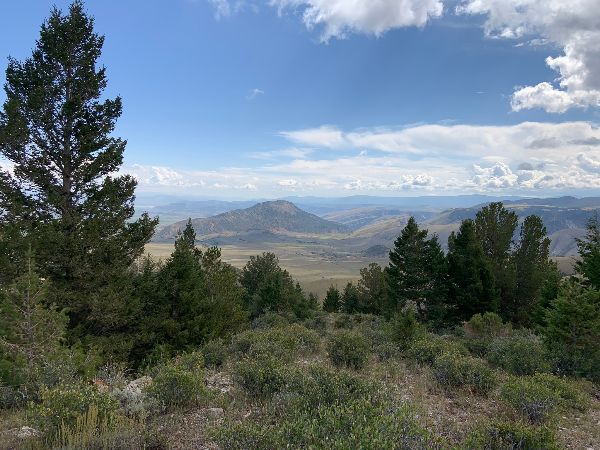
Many of the projects were administered through Utah's Watershed Restoration Initiative and the DWR Habitat Council, which coordinate, facilitate and promote habitat restoration projects that improve the quality and quantity of habitats for deer and other wildlife.
"One of the problems we are currently facing is that many of the ecosystems that deer rely on for food have limited or older vegetation with limited nutritional value — or those ecosystems are being impacted by ongoing drought conditions," Eddington said. "For mule deer populations to thrive in Utah, it is essential that extensive habitat treatments be completed to revert sagebrush habitat areas back to young, shrub-dominated plant communities and to restore aspen communities."
The Utah Mule Deer Statewide Management Plan has a goal to improve the quality and quantity of vegetation for mule deer on a minimum of 600,000 acres of crucial range from December 2024 through December 2030. Some of the completed projects to help with this goal include:
- Acquiring land for deer and other wildlife: In 2025, the DWR acquired a total of 4,488 acres for deer and other wildlife. The new Cook Wildlife Management Area, located in Daggett County, provides 1,600 acres of important summer habitat for deer and other big game animals in the area. The DWR also acquired additional land that was added to the East Canyon WMA in Morgan County, which provides crucial winter range for deer and elk.
- Willow Watershed improvements project in the Book Cliffs area of Uintah County: This was an ongoing multiyear project that helped provide additional feed and improved the streambed in the area. Habitat-restoration crews removed trees that were crowding out other more-beneficial plants, reseeded the area and worked to maintain and build new beaver dam analog structures to help reduce erosion in Willow and Meadow creeks. This latest phase of the project helped plant several trees and bushes and provided fencing structures to protect them.
- Twelve-Mile Watershed restoration project: This project was located on the Twelve-Mile Wildlife Management Area in Sanpete County, which has experienced large mudslides in past years. This project helped improve big game summer and winter range habitats on the WMA. It also reduced wildfire risks, stabilized the soil, and improved the water quantity and quality by installing 100 beaver dam analog structures along Twelve Mile Creek to help reduce erosion.
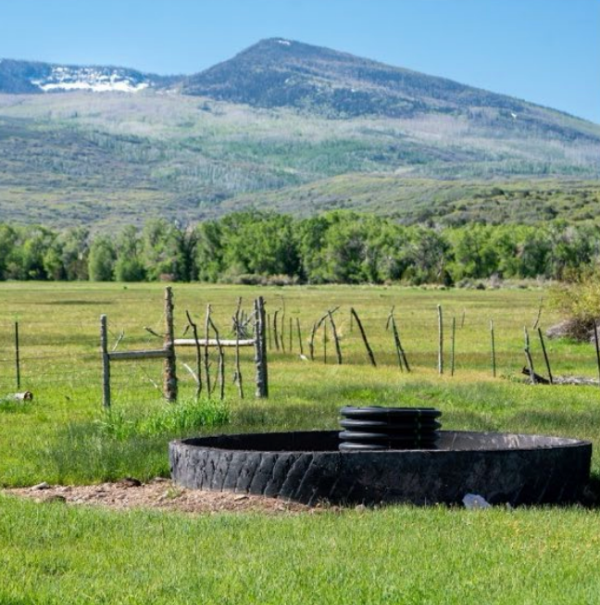
- Gooseberry habitat restoration project: This project helped improve winter range habitat for deer and other big game near Salina, through thinning encroaching trees and aerial reseeding of the area with beneficial plants. Habitat-restoration crews also built a fence to help protect a wetland and spring in the area, and installed a solar pump and trough to provide additional water sources.
These most recent projects were an increase from the previous fiscal year's 115 projects that specifically benefited mule deer.
Visit the DWR website to learn more about what the DWR is doing to help deer populations in Utah.