
As America marks 250 years since the signing of the Declaration of Independence, it's the perfect time to discover pieces of history right in your own backyard.
Nebraska is home to nine state historical parks owned by the Nebraska Game and Parks Commission, each shedding light on a unique corner of the state's history. Plan a road trip this summer to discover a "Pompeii" of prehistoric animals; visible wagon ruts from Oregon-California Trail pioneers; a cave where early peoples camped, and more.
Some of these parks will host special events honoring America's 250th anniversary; to learn more, visit Calendar.OutdoorNebraska.gov and filter for the tag "America 250 Event."
Planning a visit? You can find visiting hours and purchase a park entry permit at OutdoorNebraska.gov.
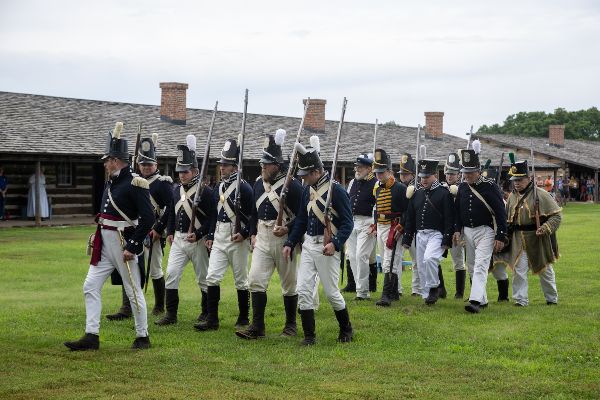
One of the earliest U.S. military posts west of the Missouri River, Fort Atkinson was established in 1820 on recommendation of the Lewis and Clark Expedition. Jenny Nguyen-Wheatley, Nebraska Game and Parks CommissionOne of the earliest U.S. military posts west of the Missouri River, Fort Atkinson was established in 1820 on recommendation of the Lewis and Clark Expedition. Jenny Nguyen-Wheatley, Nebraska Game and Parks Commission
Fort Atkinson State Historical Park
See Nebraska history come to life at Fort Atkinson, one of the earliest U.S. military posts west of the Missouri River. Established in 1820 on the recommendation of the Lewis and Clark Expedition, Fort Atkinson was important to the early fur trade, river traffic and relations between traders and Native American tribes. Much of the fort has been reconstructed over a period of 20 years, including barracks, gates, an armorer's shop and a sutler store.
Located about 30 minutes north of Omaha in Fort Calhoun, the park is a great place to see living history events. These take place the first weekend of each month May to October, as well as an annual candelight tour in November. Bring the family to see blacksmiths at work, soldiers marching, and "civilians" such as laundresses, spinners, weavers and more. On your way out, stop at the sutler store to buy a handmade souvenir.
Fort Hartsuff State Historical Park
Visit Fort Hartsuff to explore life on a military post 150 years ago, from the enlisted men's barracks to stately officer's rooms and cozy laundress quarters. Located in north-central Nebraska, Fort Hartsuff served as an infantry outpost during the Plains Indian Wars. It also provided employment for settlers, a market for farmers to sell their crops, and a social gathering spot for locals.
Unlike many 1880s military outposts, Fort Hartsuff still stands today, one of the most complete examples of a small army fort on the Great Plains. During your visit, explore nine original grout buildings and two reconstructed wood buildings.
Buffalo Bill Ranch State Historical Park
Visit the home of famed showman scout William F. "Buffalo Bill" Cody, which locals called "The Mansion on the Prairie." Built in 1886 during the success of Cody's Wild West Show, this stately mansion is open to the public for self-guided tours from late spring until early fall. Cody spared no expense in building it, so you'll see many interesting features. The large barn where Cody kept his ranch horses and stallions has also been preserved.
After you've explored the historical park, go next door to Buffalo Bill State Recreation Area, where you'll find fishing, camping, picnicking and, in the summer, guided trail rides and float trip rentals.
Fort Kearny State Historical Park
Established in 1848, Fort Kearny was the first fort built to protect travelers on the Oregon-California trail. It also served as a home station for Pony Express riders and Pawnee Scouts, operating until 1871.
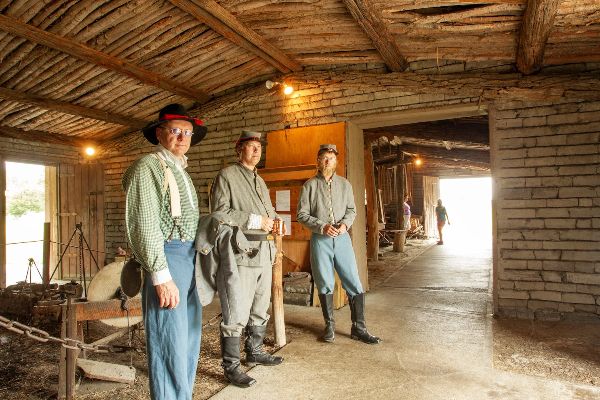
Today, you can explore reconstructed buildings, including the stockade, parade grounds, powder magazine and blacksmith/carpenter shop. Several times a year, reenactors bring Fort Kearny to life, displaying immaculate period clothing, answering visitors' questions and lighting up the night sky with cannon firings. In the spring, the visitor center doubles as an information hub for sandhill crane viewers.
Ash Hollow State Historical Park
This gem in southwestern Nebraska was popular long ago, just as it is today with visitors looking to relax and escape. Prehistoric indigenous peoples were drawn to the area's sweet spring water, as were travelers on the Oregon and California trails. Atop Windlass Hill, you can still see visible wagon ruts carved by thousands of covered wagons.
Visitors can also get a good look at Ash Hollow Cave, where early peoples camped for several thousand years. Explore the interpretive center to see the cave's unique features and learn about pioneer history, Native American history, and geologic and palaeontologic history.
Arbor Lodge State Historical Park
Did you know that Nebraska is the home of Arbor Day? The tree planter's holiday originated with J. Sterling Morton, whose mansion home is now preserved as a state historical park in Nebraska City.
Morton also served as President Grover Cleveland's secretary of agriculture. After Morton died, Cleveland visited the mansion in 1905 to stay the night and attend a memorial dedication for him.
Explore the park grounds to see magnificent trees, more than 200 kinds of lilacs and an arboretum. Inside Arbor Lodge Mansion, you'll find 52 stately rooms with authentic furnishings, even a bowling alley in the basement. Across the street, you'll find places to shop and eat at Arbor Day Farm, which attracts hundreds of visitors each year to pick apples and shop during the popular Applejack Festival.
Ashfall Fossil Beds State Historical Park
Have you visited Nebraska's "Pompeii"? This park was once the site of an ancient watering hole, where innumerable animals were entombed in volcanic ash. Visitors today can see paleontologists dig the site and prepare fossils. In the Rhino Barn, you can get a close-up view of some of these prehistoric skeletons, including native American rhinos and tiny ancestral horses.
In addition to fascinating prehistoric history, you can also picnic on the grounds or walk a 1-mile interpretive hiking trail through rolling, grassy hills.
Rock Creek Station State Historical Park
Located near Fairbury, this park was once home to a Pony Express and stagecoach station, as well as the beginnings of a legend, James Butler "Wild Bill" Hickok. It was here that the fanciful stories about him originated, after Hickok shot and killed the station owner, David McCanles, over an argument about payment.
Rock Creek Station was also a waystation for travelers on the Oregon-California trail, and deep wagon wheel ruts are still visible. You can view these ruts, as well as the park's reconstructed buildings, along 6 miles of hiking trails in this picturesque park. Living history events in the summer show what everyday life might have been like during Rock Creek Station's peak.
Bowring Ranch State Historical Park
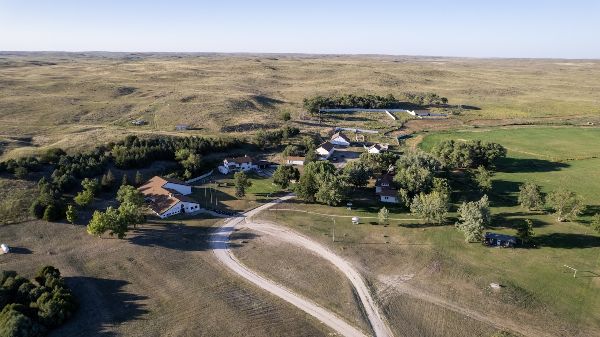
Step back in time and see a working Sandhills cattle ranch with the original Hereford bloodline. This park in north-central Nebraska is home to a ranch established at the turn of the 20th century, preserving the legacy of Eve Bowring, the first female U.S. senator from Nebraska, and her husband, Arthur, a pioneer rancher.
The ranch home displays fine antique china, crystal and silver, along with memorabilia from the Bowrings' days in public service. You can also tour the corrals, barns, bunkhouses and other buildings that have been preserved. Stroll through the Visitor Center to learn about ranching, homesteading, geology, wildlife and more.