
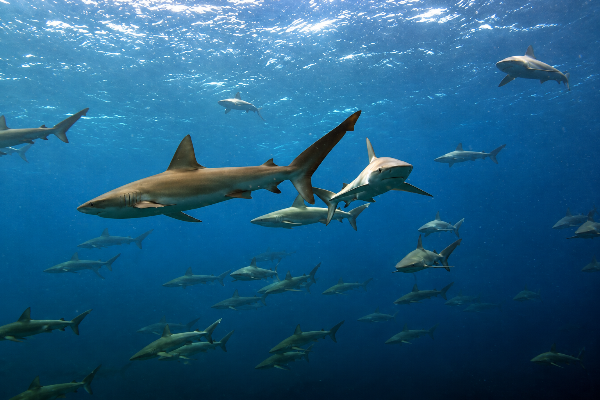
So, it turns out we're not imagining it.
Sharks actually are chasing our boats when we move from reef to reef looking for grouper and snapper in the Gulf of America.
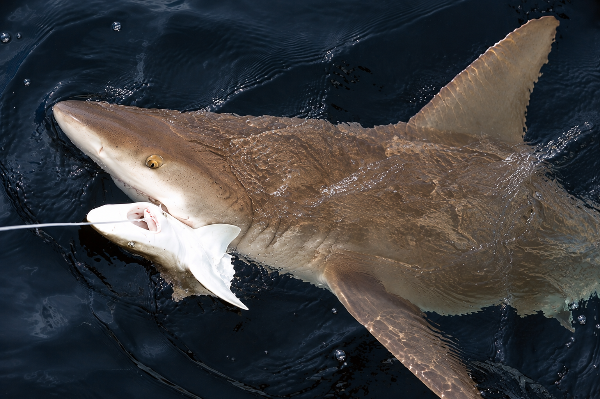
A new NOAA Fisheries study shows that shark depredation in the Gulf has tripled since 2005. The numbers back up what many offshore anglers have been saying for years: More hooked fish are getting eaten before they reach the boat.
NOAA biologists Dr. William Driggers and Dr. Walter Ingram analyzed 20 years of data from the agency's annual Bottom Longline Survey. Researchers examined 27,001 fish caught during 2,846 survey sets from 2005 through 2025, documenting 1,508 verified depredation events. They identified the predator in 547 cases, and sharks accounted for more than 99 percent of those identifications. The leading culprits were sandbar, blacktip, bull and tiger sharks.
Red snapper depredation also increased, reaching its highest levels in years. Lots more snapper plus lots more sharks equals more predation.
Anyone who has spent much time offshore knows the drill. You hook a good snapper, fight it halfway up, and suddenly the line goes slack or you bring up a head and a few scraps. Sometimes sharks follow the boat from one spot to another, waiting for the next fish. Sometimes they seem to come running at the sound of the anchor going over the side or the trolling motor spot-locking.
NOAA has been cautious about attributing the increase to growing shark populations, although some stocks have clearly rebuilt after decades of protection. Others remain depleted or have uncertain status.
In places I've fished, there sure seem to be plenty of sharks. This isn't just an offshore problem, either. Tarpon anglers at Boca Grande and Egmont Pass sometimes struggle to get a whole fish to the boat, and released tarpon can be attacked almost immediately by large hammerheads and bull sharks.
I've personally had days at Pensacola Beach Pier when it was nearly impossible to get a pompano, whiting or redfish over the rail because sandbar sharks were swarming around the pilings. Anglers who fish the same waters year after year have their own ideas about what's changed. NOAA's assessments should help establish whether those observations match population trends.
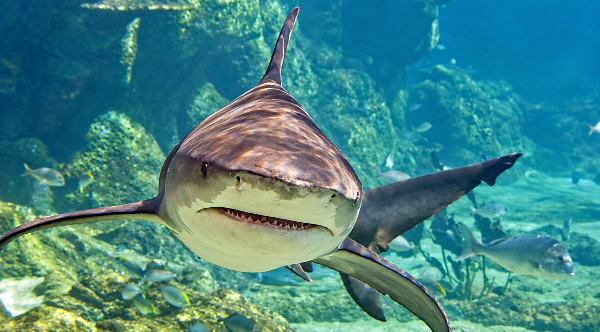
Are Sharks Learning to Follow Us?
NOAA began a new sandbar shark stock assessment in May 2026, with results expected in early 2027. If researchers develop a successful alternative method for estimating shark populations, the agency plans to begin a bull shark assessment in late 2027.
The agency is also investigating whether sharks learn to associate fishing activity with easy meals. If you've watched sharks follow your boat from one reef to another, the idea won't seem far-fetched. Boat engines, hauled gear and discarded undersized fish may all signal that dinner is served.
NOAA plans to track tagged sharks in high-depredation-risk areas for a year, while recreational and for-hire anglers report their fishing activity and depredation rates. Researchers hope to determine whether the behavior is concentrated among particular sharks or widespread throughout the population. Do they learn from each other like dolphin? It appears maybe they do.
Can We Keep More Fish Alive?
NOAA is evaluating potential deterrents, including electromagnetic devices and certain metals intended to discourage sharks from attacking hooked fish. Effectiveness varies by species and conditions, and the agency is reviewing both performance and cost.
Anglers can also improve the chances of survival for reef fish that must be released, although that won't stop sharks from eating fish still on the line.
Return 'Em Right is an angler-focused program offering free online training in proper reef-fish release techniques. Eligible anglers who complete the training can obtain a release-gear kit valued at $100 for the cost of shipping and handling.
The program addresses barotrauma, which occurs when fish such as snapper and grouper are brought up from deep water and expanding gases affect their ability to return to depth. Some fish become too buoyant to swim down, leaving them floating at the surface and vulnerable to predators.
Return 'Em Right recommends descending devices that take affected fish back to depth. These include weighted hooks and specialized tools that release the fish underwater. Anglers should remove hooks carefully and return fish promptly; when barotrauma is evident, descending is generally preferred to simply tossing the fish overboard. The program's training explains how to recognize the problem and use release equipment properly.
Those practices won't solve depredation, but they can reduce deaths among released fish. More information and training are available at the Return 'Em Right website.
Getting rid of the sharks via commercial harvest, which is largely what decimated populations earlier, probably won’t work now.
The U.S. shark-meat business is relatively small, and domestic and export markets are shaky. Shipping a bulky, relatively low-value product that spoils quickly long distances can make the economics difficult. And not every shark population could sustain increased harvest.
NOAA is considering adjustments to shark catch limits based on stock assessments. The big question is whether a commercially viable fishery could remove enough of the sharks responsible for depredation to noticeably improve recreational fishing.
– Frank Sargeant, Editor, The Water Wire