
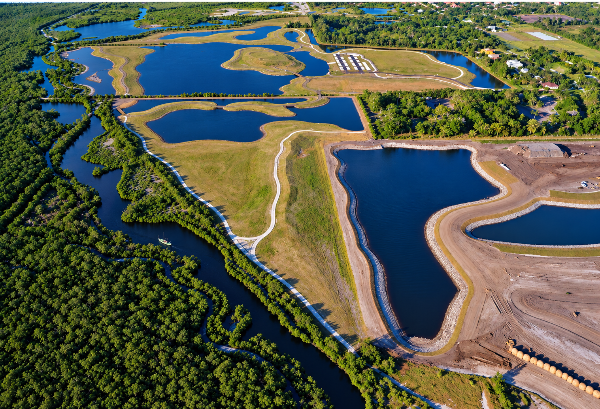
Sixteen years after the Deepwater Horizon disaster in the Gulf, BP's $20.8 billion settlement and other payments stemming from the spill continue to finance conservation and restoration projects, and results are now obvious to even casual observers.
The $20.8 billion settlement announced in 2015 resolved federal and Gulf-state civil claims, including Clean Water Act penalties, natural-resource damages and economic losses. The settlement, along with other penalties and restoration funds, created an unprecedented source of money for repairing the Gulf's damaged environment.
The Gulf Coast Ecosystem Restoration Council, which parcels out funds each year, approved $403.654 million in June this year for 19 restoration projects and programs, bringing its commitments under the RESTORE Act to more than $1 billion. Separately, the Deepwater Horizon natural-resource trustees reported $3.34 billion allocated to 384 approved restoration activities through 2025.
Louisiana's Chandeleur Islands, a famed speckled trout and redfish destination, are among the major beneficiaries of this year’s funding. The Council's June funding package included $90.8 million for restoration of the barrier-island chain east of New Orleans. The work will rebuild and stabilize beaches, dunes and marshes while protecting seagrass beds and habitat used by fish, sea turtles and nesting birds. The Chandel eurs historically had great trophy trout action on the beach side along with endless trout and redfish action on the grass flats behind.
Alabama has a smaller but practical proposal at Boggy Point in Orange Beach. The $5.34 million project would install segmented offshore breakwaters, rebuild shoreline and establish intertidal wetlands with native marsh plants. It would also improve water circulation between Perdido Bay and adjacent wetlands. The funding was still awaiting a Council vote as of the October 6 public-comment deadline.
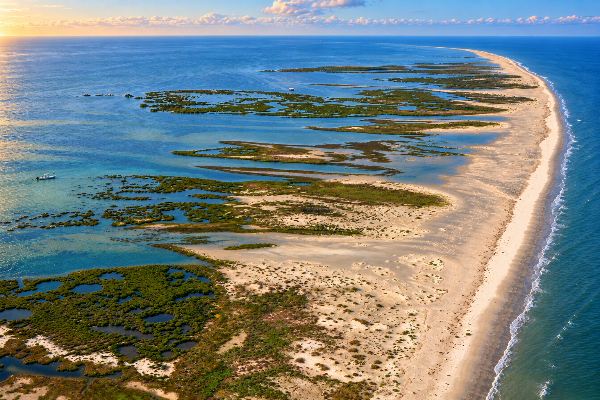
Texas has a proposed $19.32 million investment in coastal wetland migration corridors. Rather than rebuilding a single marsh, the project would acquire land inland of existing wetlands so habitat has room to shift as sea levels rise and coastal conditions change.
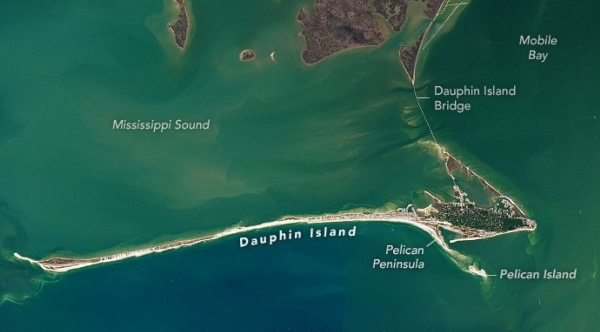
The June funding package also included $38 million for restoration of Dauphin Island's western end, with plans to rebuild dunes and beach habitat and protect surrounding seagrass beds, oyster reefs and marshes.
Successes Already On the Ground
In Louisiana's Upper Barataria Basin, restoration crews used about 8 million cubic yards of Mississippi River sediment to create 1,259 acres of wetland habitat, along with ponds and tidal channels. Monitoring reported in March 2026 found that native plants were taking root and that blue crabs, shrimp and red drum were using the new habitat. The project exceeded its original wetland-creation target by 76 acres. A 20-year monitoring program will track how well the marsh holds up over time.
Florida's Robinson Preserve on Tampa Bay offers another example. Once degraded farmland, the 700-acre preserve now includes mangroves, seagrass, shellfish habitat and salt- and freshwater wetlands. A restoration phase supported by Deepwater Horizon funds created nearly 135 acres of coastal habitat, with particular attention to nursery areas for snook and tarpon. This is particularly important in a heavily developed estuary like Tampa Bay, where thousands of acres of shoreline that was once mangrove and marsh is now concrete.
NOAA-funded monitoring found high numbers of juvenile snook, red drum and sheepshead using the restored wetlands. Snook grew as fast as, or faster than, those in other natural or restored habitats in the region. Tagged snook left the preserve during summer spawning season and returned later, suggesting that the nursery habitat contributes to the wider Tampa Bay fish population.
The Gulf's restoration work is far from finished. Agencies will continue monitoring whether marshes persist, seagrass expands and juvenile fish survive to populate surrounding waters. The results so far, however, show that the investment can produce more than acres restored on paper--and the money will keep on coming for decades to come.
For anglers, healthy marshes and seagrass beds mean nursery habitat for the fish that populate Gulf bays and nearshore waters. The work at Robinson Preserve and Upper Barataria offers evidence that restoration can benefit fish and wildlife while supporting recreation and local economies. The long-term effects on Gulf fish populations will take more time to measure, but the habitat being rebuilt today should serve generations of anglers.
– Frank Sargeant, Editor , The Water Wire