
Sea Tow, the well-known subscription towing service, surveyed its 5,500-plus members recently and found that nearly half of them reported spending less time on the water this year, with rising fuel prices emerging as the biggest financial pressure on boat owners.
The survey found that 48 percent are boating somewhat or much less often than they did last year. Another 52 percent said they are boating about the same amount or more, meaning the boating population is almost evenly divided between those maintaining or increasing their activity and those cutting back.
Fuel is overwhelmingly the biggest concern. Eighty-four percent of respondents said fuel was the boating expense that had increased the most, compared with 36 percent who cited maintenance, 22 percent who cited marina and slip fees and 18 percent who cited insurance.
The changes aren't limited to fewer outings. Among boaters who have altered their habits because of higher fuel costs, 53 percent said they are boating less often, 42 percent are taking shorter trips, 38 percent are staying closer to home and 29 percent are running their boats at lower speeds.
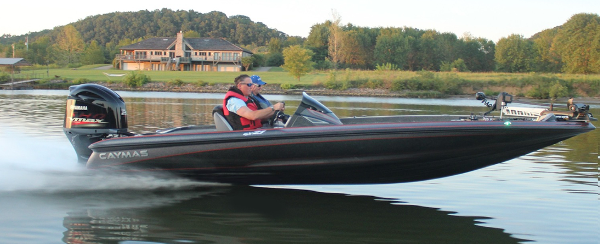
Most powerboats get considerably poorer fuel economy than land-based transportation. Even a modest 60-horsepower four-stroke outboard on a 20-foot pontoon boat may get only 5 or 6 mpg, while a 250-hp bass boat may return 3 or 4 mpg at an efficient cruise.
Jump to multi-engine coastal boats and the fuel use increases dramatically. A 30-foot center console pushed by twin 500-hp Mercury four-strokes may get about a mile per gallon at cruise. A 45-foot cabin boat with twin 600s could get considerably less than a mile per gallon, depending on hull design, load and speed.
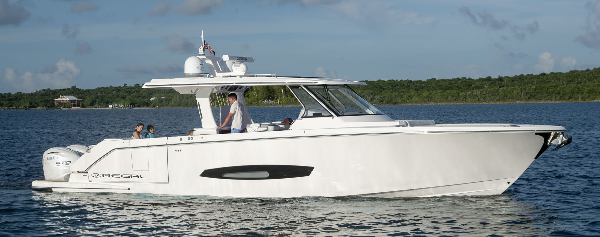
Of course, for those who can afford to buy the larger twin-engine boats, the cost of fuel is much less a factor than for those of us who putt around in 60-hp pontoon boats. Still, at some point the use of that discretionary dollar has to connect with reality.
For many average small-boat owners, a day on the water now carries a substantial fuel bill despite the better efficiency resulting from modern four-stroke outboards. Fifty-two percent of survey respondents said they typically spend $50 to $100 on fuel per trip, while 30 percent spend $100 to $250. Another 18 percent report spending more than $250.
The numbers suggest that boaters are responding to higher costs by modifying their use of their boats rather than abandoning boating altogether. Forty-six percent of all respondents said they are using their boats the same way they always have, while 32 percent are boating less and 17 percent are staying closer to home.
Those changes could have consequences throughout the recreational marine industry. Less frequent outings and shorter trips mean fewer gallons purchased at marina fuel docks, while staying closer to home can reduce demand for long-distance cruising and destinations that require substantial fuel consumption.
The effect is not yet showing up dramatically in Sea Tow's service business, the company said. Service volume is within 3 percent of last year's level. Towing accounted for 53 percent of service calls, followed by ungroundings at 13 percent, fuel delivery at 7 percent and jump-starts at 6.5 percent.
Sea Tow's survey also suggests that fuel costs will remain an issue next year. Thirty-seven percent of respondents identified fuel prices as their biggest concern for the 2027 boating season, while 30 percent expect their boating habits to remain about the same. Fourteen percent cited finding time to boat as a concern, and 10 percent cited maintenance costs.
The survey was conducted among Sea Tow's membership, so its results don't necessarily represent all U.S. boat owners. Sea Tow members are boat owners who have chosen to pay for on-water assistance and may be more active boaters than the overall population, meaning the impact of higher fuel costs could be greater among less-active owners.
The bigger question is how long boaters can continue to absorb the higher cost. For now, many are responding the way boaters always have: by going a little less often, running a little slower and staying a little closer to home. If fuel prices remain high, those small adjustments could eventually add up to a much bigger change in the nation's boating habits.
– Frank Sargeant, Editor, The Water Wire