
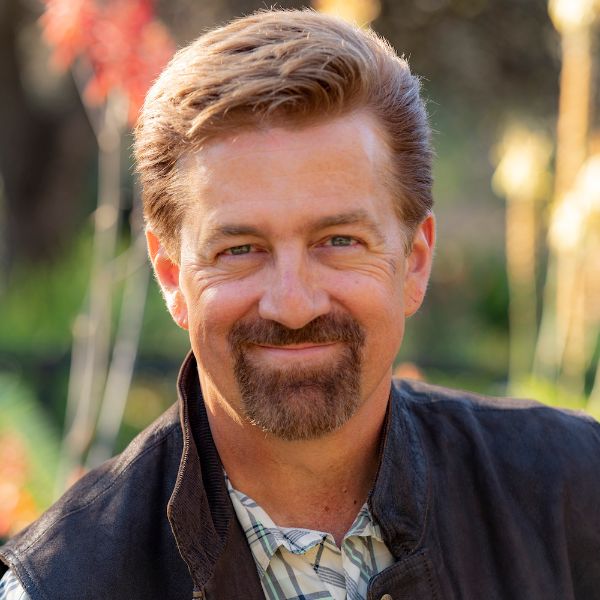
Colorado may be preparing to elect one of the most aggressive gun-control governors in America in a state in which firearms remain part of the cultural environment for a very large share of the population. That alone makes Phil Weiser’s candidacy worth watching.
Weiser has not been coy about where he stands. During his tenure as attorney general, he has defended Colorado’s magazine restrictions, supported red-flag laws, backed restrictions on so-called ghost guns, joined multistate efforts defending federal firearms regulations and applauded additional state gun-control measures. His gubernatorial platform promises more of the same under the familiar banner of “gun safety.”
Supporters will call that consistency. Gun owners may use a different word.
The latest example is Senate Bill 25-003, which took effect August 1 and imposes new requirements on Coloradans seeking to purchase certain semiautomatic firearms. Depending on the buyer’s background plus qualifications, the process can involve state paperwork, sheriff review, an eligibility card, approved training, testing, and additional costs.
There is something revealing about the structure of this policy. It falls almost entirely on people trying to buy firearms legally.
That may sound obvious, but it is central to the criticism. Criminals do not generally schedule their behavior around regulatory compliance. They do not tend to postpone a robbery because they have not completed the appropriate course or paid the required administrative fee. The people most affected by licensing, training, and paperwork requirements are those already inclined to obey the law.
Colorado, in other words, has found that the easiest people to regulate are those already regulated by their willingness to follow the rules.
That debate might exist in a vacuum were Colorado not grappling with more traditional public-safety problems. The state has endured years of elevated property crime, auto theft, and violent crime. The numbers have improved recently, and that deserves recognition, but Colorado’s experience over the last several years hardly suggests that public safety has been solved and government can now devote its spare energy to creating additional hurdles for lawful gun buyers.
Auto theft is a useful example. Colorado spent part of this decade at or near the top of the national rankings, a distinction few residents were keen to celebrate. The situation has improved considerably, but for several years it became almost routine for residents to hear about stolen vehicles, repeat offenders, and organized theft rings while lawmakers simultaneously debated additional requirements for people buying firearms through licensed dealers.
That contrast is not lost on gun owners.
Neither is Weiser’s approach to federal immigration enforcement. His office has repeatedly challenged Trump administration efforts to require or incentivize greater state and local cooperation with federal immigration authorities.
Politically, the juxtaposition is difficult to miss. When the federal government asks Colorado to cooperate more extensively with immigration enforcement, Weiser regularly emphasizes constitutional limits, state independence, and the dangers of overreaching government power. When Colorado imposes new requirements on lawful firearm purchases, those same instincts appear considerably less urgent.
Apparently, skepticism of government authority is situational.
Colorado is also an unusual place to test just how far gun restrictions can be pushed politically. Firearm ownership remains widespread across the state, including among voters who do not fit the caricature often used in political debates. Colorado gun owners include ranchers, suburban homeowners, veterans, women who keep firearms for personal protection, hunters, recreational shooters, law-enforcement families, and people who simply believe the Second Amendment means roughly what it says.
They are not an obscure fringe constituency.
That matters because gun regulations become politically different when voters experience them personally. A debate over magazine capacity can remain abstract. A requirement to attend a class, visit a sheriff, complete an application, pay fees, and obtain government approval is not abstract. It is something a voter does on a Saturday morning.
And inconvenience has a way of clarifying political opinions.
There is also a constitutional oddity that gun-control advocates rarely address convincingly. Imagine applying the same logic to another enumerated right. Suppose Colorado required citizens to complete a state-approved civics course before publishing political commentary. Imagine paying an administrative fee before attending church or obtaining an eligibility card before joining a protest.
Most Coloradans would immediately recognize the problem.
The response, of course, is that firearms are different because they can be dangerous in the wrong hands. Fair enough. Government has always had authority to regulate conduct involving dangerous objects, and the Second Amendment has never meant that every conceivable firearm regulation is unconstitutional.
The harder question is where regulation ends, and permission begins.
That is the argument Weiser may soon inherit as governor. His record suggests that when presented with the choice between greater latitude for lawful gun owners and another layer of government supervision, he is rarely troubled by the second option.
Perhaps Colorado voters agree with him. The state has moved steadily leftward, and gun-control groups have enjoyed considerable success at the Capitol.
But Colorado is still a Western state with a large population of firearm owners, and history suggests they do not always respond well to politicians who treat constitutional rights as privileges to be administered.
Phil Weiser may discover that there is a political difference between saying you support “responsible gun safety” and telling hundreds of thousands of responsible citizens that they need one more form, one more fee, and one more permission slip.
That difference has ended political careers in Colorado before.
– Chris Dorsey
Chris Dorsey is a Coloradan, 30-year media veteran, biologist, outdoor television producer and natural history filmmaker whose writing has appeared in the Wall Street Journal, Newsweek, Forbes and dozens more national titles.