
We’re on the verge of celebrating the nation’s 250th anniversary. On July 4, 1776, the Second Continental Congress adopted the Declaration of Independence, officially severing the ties between the thirteen American colonies and Great Britain.
Suffice to say, plenty has changed since those days. And, as is the habit of history, not everything that’s changed has been for the better. But things are most definitely different.
For those of us who remember the bicentennial, the Semiquincentennial seems very different.
Again, not better; just different. But those differences might not be as big as a half-century of time makes them appear. As I’ve frequently said, the good old days weren’t necessarily all that good - I just wasn’t this darned old. Aging eyes tend to see through the perspective of change, not promise.
On our 200th birthday, I was, like many of my young friends, far more than cautiously optimistic. After all, we’d survived through the Vietnam War, the Watergate scandal, and taken part in the civil rights movement. Not bad achievements for 24-year olds.
Consequently, we put aside differences and joined the rest of the nation in celebrating shared values, rediscovering national pride and healing after a dark, cynical time.
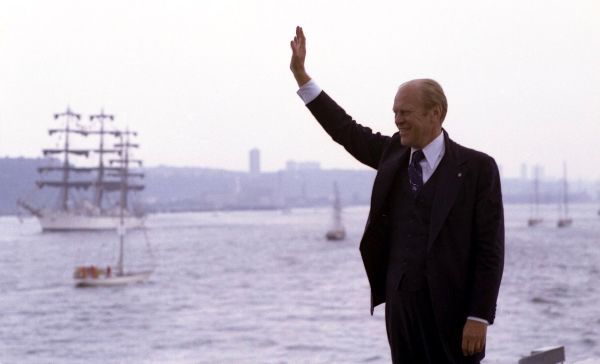
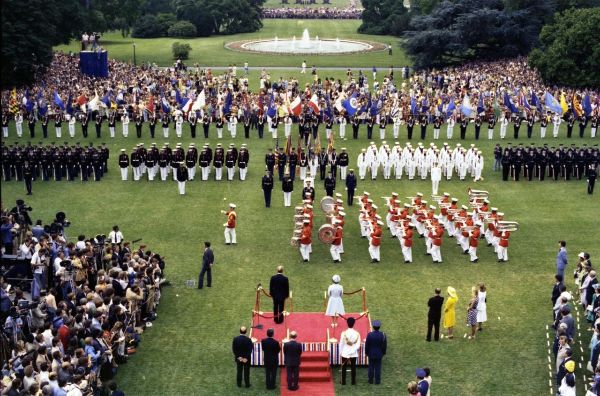
We helped drive a boom in public history initiatives and decentralized our bicentennial celebrations to better reflect the flavor and tenor of our unique regions. We simultaneously celebrated national and local public spaces and sites. The Smithsonian Institution’s National Air and Space Museum opened, along with New Jersey’s Liberty State Park.
Civic and religious groups celebrated with action rather than ceremony. Everything from hunger walks to food banks and advocacy programs challenged citizens to address social and societal issues.
We weren’t without big celebrations. The Liberty Bell went on a national tour and Operation Sail brought a magnificent fleet of tall-masted ships into our harbors. There was also a reverse wagon train that ran west-east. There were, at one count, 1,776 scheduled centennial commemorations planned across the country
1976 was one of those times “patriot” had a positive connotation.
In 1776 being a patriot meant the willingness to risk everything for the promise of something.
In 1976, it meant seeing our country clearly enough to recognize areas of weakness, then working to improve them.
Today, saying you’re patriotic will more likely earn you an eye roll than an amen.
But those “good old days” had plenty in common with today.
Including everything many feel makes 2026 different: domestic strife, political turmoil, partisan division and economic instability. The only area where 2026 might exceed 1976 is partisan polarization.
In 1976 we disagreed vehemently; not violently.
In both times, historian Marc Stein observes, we were-and are- celebrating despite “major crises of confidence about national values, vices, and virtues, and about the past, present, and future of national greatness.”
We had our share of issues then: the economy was moribund, divorce was rising- rapidly, race and gender were polarizing and political corruption seemed to be everywhere.
Yet, here we are, fifty years later, with the well-worn guardrails of democracy and justice still holding, despite having been battered and bruised. We’ve survived -and that in itself should give us reason enough to be optimistic about the future.
We’re observing the 250th tomorrow and throughout the weekend. That means our services won’t be in your inbox again until Monday, July 6.
Looking forward, here’s my wish for each of you: have a blessed and safe holiday weekend.
God bless America.
We’ll keep you posted.
– Jim Shepherd