
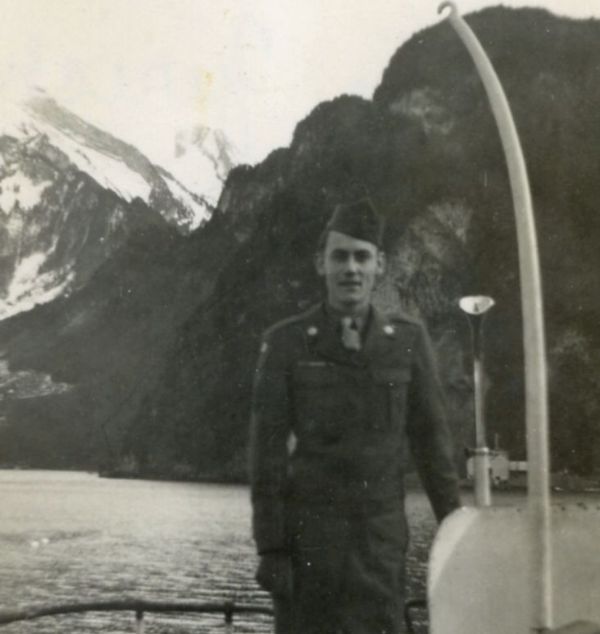
Early on in my history, Dad took me shootin’. That’s what he called “plinking,” an important pastime to learn hitting a mark from some distance. First, as one might expect, was a discussion of the gun being a potentially dangerous tool.
It was more than “don’t point it at people,” but he actually said that. He also said that letting the front of the gun cover someone – or letting it cover a part of your body (like putting the muzzle on one’s foot when waiting for your turn to shoot) was reckless. It could lead to crippling injury and could take a life.
He took the printing on the ammo boxes seriously – in those days, the 22 LR ammo boxes said “dangerous for one mile,” soon to be 1 ¼ miles and, now, 1 ½ miles. Shooting over the horizon was strictly forbidden.
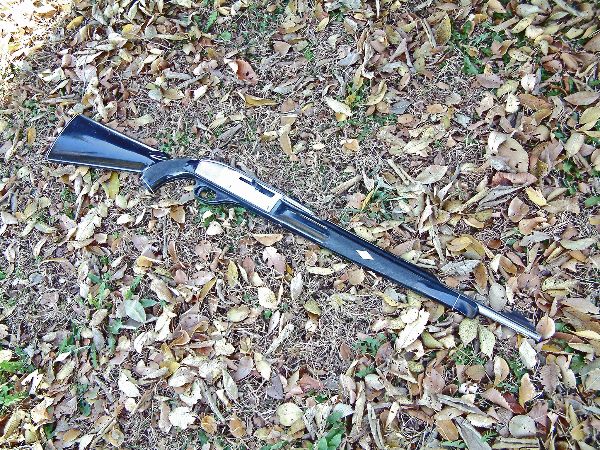
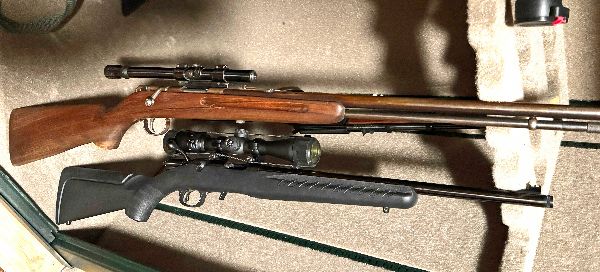
It’s not the movies or TV. We routinely saw people direct the muzzle of a revolver ceiling-ward, firing a shot, without pieces of the ceiling raining down upon them. It doesn’t work that way, he said, predisposing me to accept the “let the muzzle cover the safest available direction” I’d learn very much later.
Don’t handle the gun while someone is at the target line working on targets.
Little things.
That doesn’t mean we didn’t have fun. He was most interested in semi-autos that could shoot fast. His era was largely populated by firearms that one didn’t shoot very quickly. World War II changed that.
We got to shoot on strip mined land. If you’re not familiar with the layout, the earth was dragged out, scooped up and put on large piles – “dumps.” One patch of strip-mined land featured a long service road through it, with large dumps in a line on either side.
Backstops were plentiful.
A concern of his was a round skipping off the ground and continuing its travel, causing injury somewhere “out there.” That’s why shooting at targets in the water was forbidden.
Unless there was a line of high dumps on the other side of the strip pit.
Trekking around the pit to set cans on the far bank was tedious. Putting rounds between the cans and the muzzle taught how bullets skipped and graphically displayed that the bullet would travel up only a few degrees from the muzzle-impact line and travel in a more-or-less straight line into the can that was just a foot or so above the water on the bank.
He was a terrific shot. Arranged to be born far-sighted, he could identify a target at distances I couldn’t see – and proceed to ventilate it.
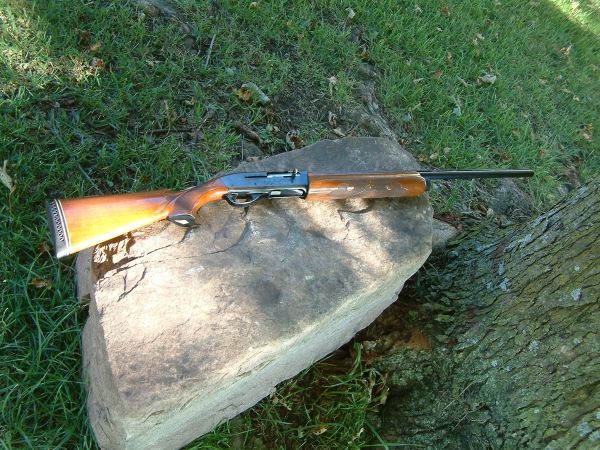
He could identify any bird visually, by hearing its call, by seeing it fly. I learned how to differentiate between mourning doves and other birds by seeing them fly. That was handy as he let me go on dove hunts.
To this day, when I hear the sad call of the mourning dove, I think of him and remember some of the wisdom he tried to impart.
This month will end 23 years since he passed. I’m still learning from him today.
– Rich Grassi