
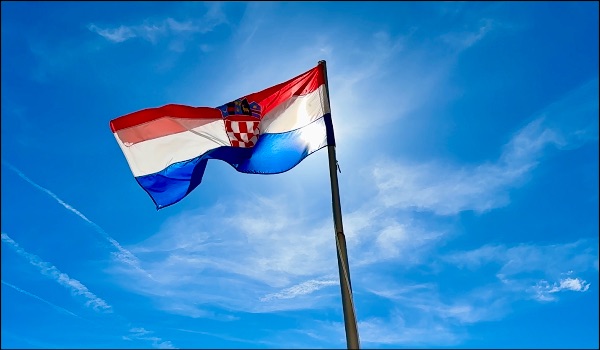
Mention a European hunting destination and most American hunters immediately think of Spain, Scotland, or perhaps Germany.
Croatia rarely makes the list.
According to outfitter Mike van Bekkum, that’s beginning to change.
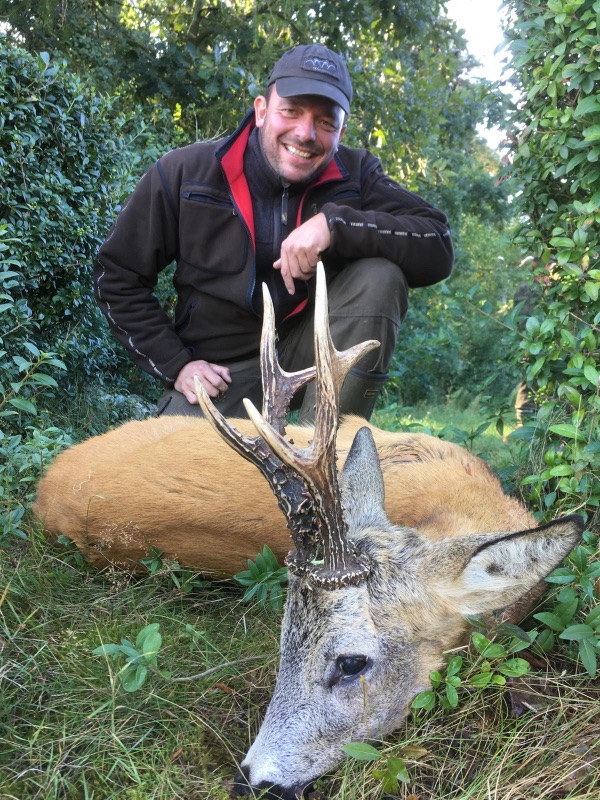
“Croatia is one of the hidden germs of Europe, you know,” van Bekkum said. “Here it’s the place where there was not a lot of hunting going on, because the people really don’t know about Croatia. Everybody thought Croatia was still in the war, and I don’t know, but that’s absolutely not true. It’s in the EU. It’s a safe country.”
Van Bekkum would know.
Nearly two decades ago, he built a successful hunting business in Germany, operating seven hunting areas and a hotel catering to hunters from across Europe. Then came COVID.
“The Corona came, and in the time of the Corona, everybody was in panic, of course,” he recalled.
At the same time, changing wildlife regulations in Germany convinced him it was time to move on.
“There is law in Germany that says the forest is more important than the animals who live in it. That means we have to shoot everything, like 85% of the deer and red deer and fallow deer. That means the quality was so bad. So I was finished with Germany.”
After selling his operation, van Bekkum and his team looked south.
What they found was Croatia.
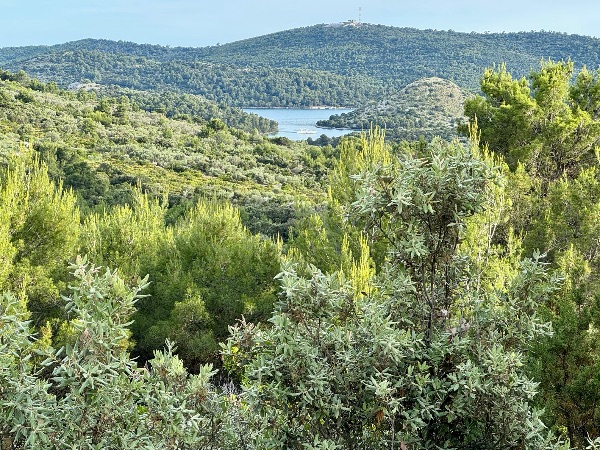
Today, he owns hunting properties in the Croatian mountains and on the Adriatic island of Dugi Otok while also managing access to additional hunting concessions offering species ranging from mouflon and wild boar to red stag, chamois, and roe deer.
The transition, however, wasn’t easy.
“Knowing what I went through, I would never do that again,” he said. “It’s the most difficult thing I’ve ever did in the hunting business.”
Yet after five years, the effort appears to be paying off.
One of the biggest surprises has been Croatia’s approach to wildlife management.
“I’m surprised about the game management,” van Bekkum said. “I didn’t expect they will do that so well over here.”
Unlike some European countries where harvest numbers focus heavily on reducing animal populations, Croatia uses strict age-class management systems that regulate exactly which animals may be harvested.
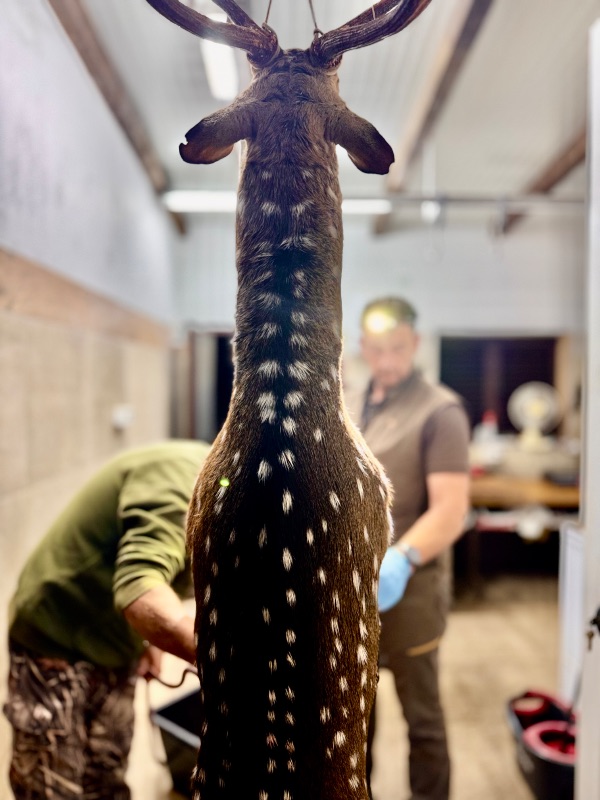
“If you have my area, let’s say you shoot 25 stags, it has to be stacked, so many of, let’s say, eight years, plus then so many of five years, plus so many of three years,” he explained. “That is because that’s the reason why, in especially Croatia, you will be able to shoot really big, big trophies.”
Strong enforcement also plays a role.
“There is hardly any poaching,” he said. “The police are very hard on that, you know. There are laws, if you don’t follow the law, you will lose your hunting area like this.”
While many American hunters may still be unfamiliar with Croatia, van Bekkum’s clients are increasingly coming from the United States.
“We have 80% Americans through WTA,” he said.
That partnership began roughly five years ago after representatives from Worldwide Trophy Adventures visited Croatia looking for new opportunities for their clients.
“He stayed for three days, and after that we became friends,” van Bekkum said. “I was very surprised about WTA, about the professionality of this company is amazing.”
The relationship has grown steadily since.
“It works so well for us that we are also working now for the WTA.”
Beyond simply booking hunts, van Bekkum believes American hunters bring something else to the table.
Trust.
“What I love about Americans is just they will go with the plan,” he said. “I tell you, okay, we will go hunt like this, we will go in the morning and evening, we will make this. Americans will just say, okay, super, let’s go for it.”
That willingness to trust guides and local expertise stands out to him when compared with many European hunters.
“Europeans say, oh no, I think the wind is not good, or the weather is not here, or blah, blah, blah. They will make the story for you.”
For outfitters, that difference matters.
“For us, it’s important that people work with us,” he said.
The distinction extends beyond hunting styles.
Van Bekkum also sees major differences in shooting culture.
“If I hunt with Americans, I will easily shoot an animal on 400 yards, even 500,” he said. “Europeans, 150, 180 the max, because they’re not used to shoot too much.”
He attributes that largely to range time and familiarity with equipment.
“Americans do a lot of shooting at the range; they know their guns.”
The same cannot always be said elsewhere.
“Europeans put their gun in the safe, and once a year it comes out of the safe, and then they’re hunting.”
For American hunters considering a trip overseas, van Bekkum believes Croatia offers far more than game animals.
“It is Croatia, especially. It’s very good to combine with family.”
The country offers historic cities, wineries, national parks, fishing opportunities, spas, cooking experiences, and one of Europe’s most celebrated coastlines.
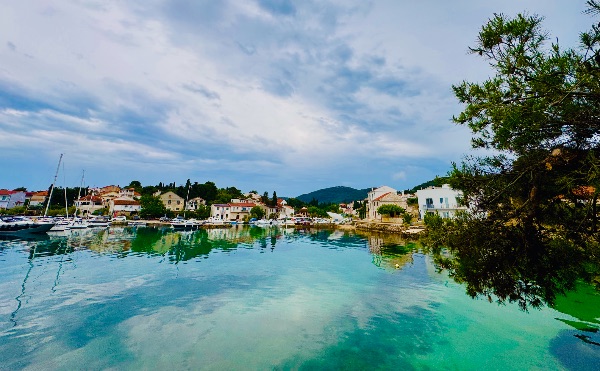
“We have the most beautiful coast of Europe,” he said. “We have the clearest water together with Sardinia.”
For non-hunting spouses, customized itineraries have become common.
“We will ask them what the ladies want,” he said. “Okay, we want to do this, this, and this.”
That combination of hunting, tourism, culture, and wildlife management may ultimately explain why more Americans are discovering Croatia.
For decades, the country remained largely overlooked by North American hunters.
That appears to be changing.
And if van Bekkum is correct, many hunters may soon discover what Europeans have known for years: Croatia isn’t simply a place to hunt.
It’s a destination.
– Jay Pinsky, Editor, The Hunting Wire & The Archery Wire