
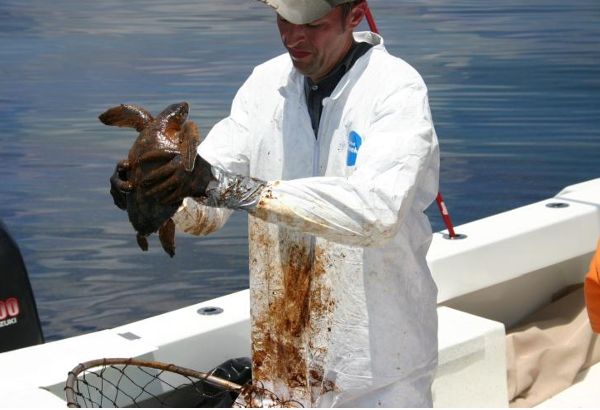
In the spring of 2010, when the Deepwater Horizon drilling rig exploded and the northern Gulf went black, it was impossible to imagine any outcome that could fairly be called redemptive. Eleven men were killed and countless fish and coastal wildlife died. Whole marshes died, and million-dollar beaches became ghost towns.
Sixteen years later, the shoreline tells a different story.
The spill eventually resulted in the largest environmental damage settlement in U.S. history and one of the most ambitious ecosystem restoration efforts ever attempted anywhere. BP ultimately paid more than $20.8 billion in civil penalties and natural resource damages, with additional criminal fines and private claims pushing the total cost higher still.
Unlike earlier environmental cases, this money didn’t vanish into general accounts. Federal law required it to remain on the Gulf coast, and that reshaped everything that followed.
The RESTORE Act of 2012 directed 80 percent of Clean Water Act penalties back to the five affected Gulf states—Alabama, Florida, Louisiana, Mississippi, and Texas—for ecosystem restoration, economic recovery, and coastal resilience. Scientific oversight came largely from National Oceanic and Atmospheric Administration, working alongside the U.S. Fish and Wildlife Service and state agencies. Decisions about where and how to spend the money rested largely with state and local trustees who knew the damage firsthand.
Over the next five years, NOAA and the states led a natural resource damage assessment that spanned thousands of square miles of ocean and shoreline. More than 1,300 miles of coast were oiled. Crews collected more than 100,000 samples to document impacts to fish, birds, turtles, marine mammals, wetlands, and deep-sea habitats. Satellite imagery, current models, seafood testing, and wildlife rescue operations fed into a single conclusion: recovery would require work at a scale never before attempted in the Gulf.
Louisiana, closest to the disaster, absorbed the largest share of that effort. Long before the spill the state had been losing land at an alarming rate. Settlement funds accelerated projects already on the drawing board and made others possible. Massive sediment diversions, barrier-island reconstruction, and marsh-creation efforts rebuilt tens of thousands of acres of coastal habitat.
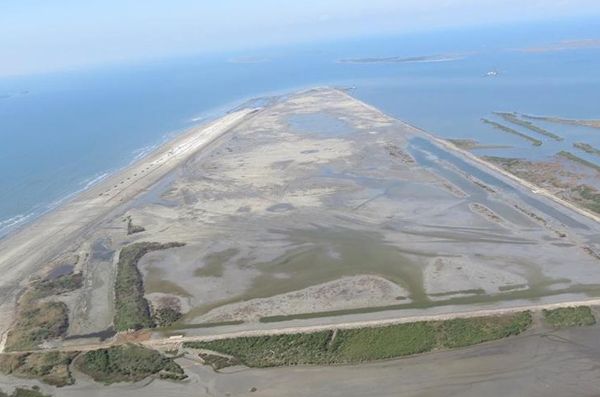
At Queen Bess Island, once nearly erased by erosion, pelicans now nest again by the thousands. The Upper Barataria Marsh Creation project alone is restoring more than 1,200 acres of tidal marsh designed to blunt storm surge and slow land loss across the basin.
Mississippi focused heavily on living shorelines, oyster reefs, and public access. Restoration projects in the Mississippi Sound rebuilt oyster habitat damaged by oil and prolonged freshwater exposure. Artificial reefs placed in nearshore waters now hold bait and game fish that had largely disappeared from those areas after the spill. Along the coast, aging boat ramps and small harbors were rebuilt or expanded.
In Alabama, settlement funds rebuilt Gulf State Park Lodge, destroyed by Hurricane Ivan, restored dunes, and added miles of trails and boardwalks designed to absorb storm surge. The park now functions as a buffer, protecting inland development while drawing visitors year-round. What had been one of the most storm-damaged stretches of Alabama’s coast became one of its most resilient and beautiful.
Florida’s Panhandle, where oil washed ashore for months, invested heavily in shoreline stability and bay health. Living shorelines and seagrass restoration projects in Choctawhatchee Bay, Pensacola Bay, and St. Joseph Bay improved water clarity and nursery habitat for redfish, speckled trout, and scallops. Early restoration projects rebuilt dunes and beaches. Later phases expanded fishing piers, kayak launches, and marinas. In Apalachicola, GulfCorps crews constructed living shorelines that now protect working waterfronts from erosion while keeping them accessible.
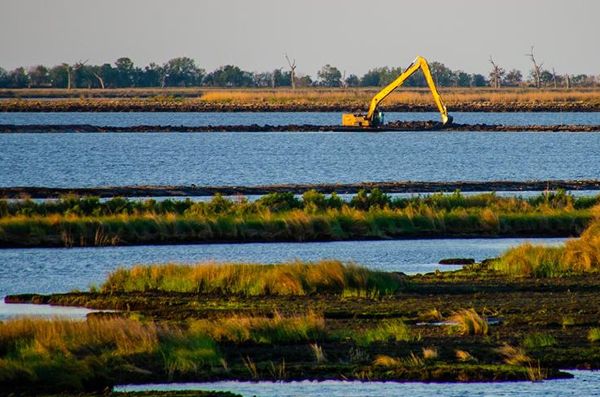
Texas, though less visibly oiled, felt the spill through fishery closures and tourism losses. The state directed much of its funding toward restoring freshwater inflows and coastal wetlands in systems such as Galveston Bay. Those projects stabilized marshes that support shrimp, crabs, and red drum. Long-term monitoring and fisheries research funded through the settlement left managers with a clearer picture of Gulf dynamics than existed before 2010.
It’s particularly impressive that all of this has been pulled off in so short a time, with relatively little bureaucratic or political obstruction and, thus far, no reported large examples of corruption or misuse.
Projects for the most part have moved through public review, scientific vetting, and boots on the ground with measured haste, and a drive along coastal roads in any of these states will quickly turn up examples of the impressive results.
To be sure, hurricanes continue to rearrange the coast and development pressure is greater every year. The Gulf today still carries some scars from the spill, but the water is clean, estuaries are thriving everywhere that development is blocked and fisheries are back to where they were, or as near as they can be given the increasing pressure of more boats, better fish finding gear and more anglers every year.
Deepwater Horizon was one environmental storm that truly has had a silver lining.
The Deepwater Horizon Trustee Council will hold its eleventh annual public meeting via webinar on June 23, 2026, from noon to 1 p.m. Central Time, 1 p.m. to 2 p.m. Eastern Time. The webinar is open to everyone with an interest in Gulf fisheries, habitat and water quality.
– Frank Sargeant
Frankmako1@gmail.com