
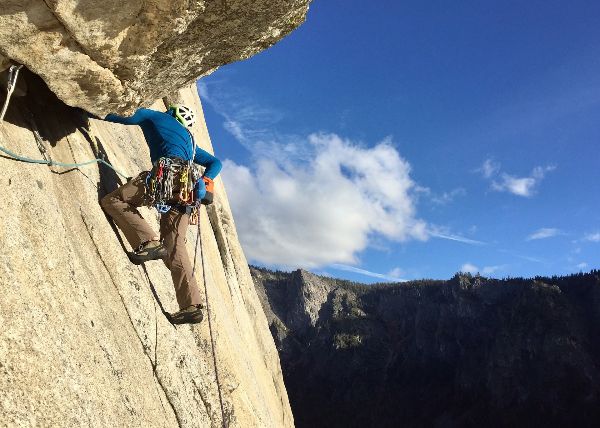
The U.S. Forest Service has taken a significant step toward formalizing how recreational climbing is managed on America’s public lands, announcing a proposed national climbing directive that would establish the agency's first nationwide policy governing climbing activities on national forests and grasslands.
The proposal, published June 17, opens a 30-day public comment period and provides guidance on the use, maintenance, and replacement of fixed anchors and other climbing infrastructure. While that may sound like a technical issue, the directive addresses one of the most important access questions facing the climbing community today: how climbers can continue to use and maintain routes on federal lands while preserving wilderness values and public safety.
The proposal arrives at a time when climbing has evolved from a niche activity practiced by a relatively small community into one of America's fastest-growing outdoor recreation pursuits.
From Fringe Activity to Mainstream Recreation
According to participation data cited by the Forest Service, nearly 10.3 million Americans participate in some form of climbing activity, including sport climbing, bouldering, traditional climbing, mountaineering, and ice climbing. Approximately 2.3 million people participate in sport climbing or bouldering, while another 2.4 million engage in traditional climbing, mountaineering, or ice climbing. Those figures have continued to trend upward as climbing benefits from increased visibility through social media, climbing gyms, and Olympic competition.
The broader outdoor recreation market continues to set records. The Outdoor Industry Association reports that outdoor participation reached 181.1 million Americans in 2024, representing nearly 59 percent of the U.S. population. Outdoor recreation participation has increased for nine consecutive years.

The growth of indoor climbing facilities has also introduced thousands of new participants to the sport. Industry analysts estimate the global climbing gym market exceeded $3.6 billion in 2025 and continues to grow rapidly as new facilities open across North America.
Many of those climbers eventually transition from indoor walls to outdoor crags, creating increasing demand for access to public lands.
Why Fixed Anchors Matter
At the center of the proposed directive is the issue of fixed anchors—permanent bolts, chains, and rappel stations installed in rock formations.
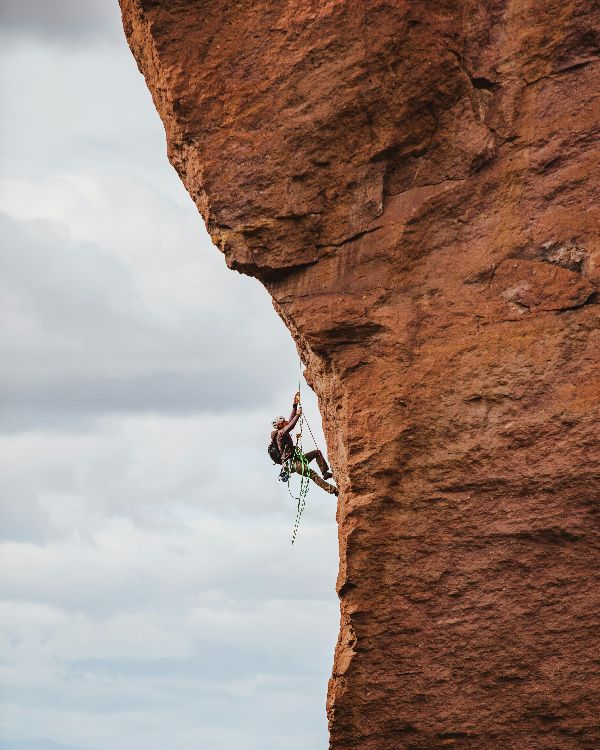
To non-climbers, these pieces of hardware may appear insignificant. To climbers, they are often critical safety infrastructure that allows routes to be climbed and descended safely.
For years, land managers have struggled with inconsistent policies regarding the installation, maintenance, and replacement of these anchors, particularly within designated wilderness areas. Some local managers viewed fixed anchors as prohibited structures under wilderness regulations, while climbers argued they were essential components of established routes.
Congress addressed much of that uncertainty when it passed the Expanding Public Lands Outdoor Recreation Experiences (EXPLORE) Act, signed into law on January 4, 2025. The legislation specifically directed federal land management agencies to recognize recreational climbing—including certain fixed anchors—as an appropriate use within designated wilderness areas.
The Forest Service proposal is designed to bring agency policy into compliance with that legislation while providing a consistent framework nationwide.
A Significant Public Lands Issue
The stakes are high because National Forest System lands contain some of the country's most heavily used climbing destinations.
According to the Forest Service, nearly 30 percent of all outdoor climbing activity occurs on National Forest System lands. These include iconic climbing areas such as Colorado's South Platte, Wyoming's Wind River Range, California's Eastern Sierra, and hundreds of regional climbing destinations scattered throughout the national forest system.
Forest Service Chief Tom Schultz emphasized the need for consistency in the agency's announcement.
"Recreational climbing continues to grow in popularity, with nearly 30 percent of all outdoor climbing occurring on National Forest System lands," Schultz said. "This proposed directive provides much-needed national policy for climbing activities and gives local decision-makers the ability to work with partners, tribes, climbing organizations, and others to ensure visitors are having safe, responsible and accessible outdoor experiences."
Climbing's Economic Impact
The economic significance of climbing extends far beyond equipment sales.
Climbing destinations generate substantial tourism revenue for rural communities. Climbers typically travel significant distances to reach destination areas, spending money on lodging, restaurants, fuel, guide services, retail purchases, and park entrance fees.
Communities such as Moab, Utah; Bishop, California; Estes Park, Colorado; and Springdale, Utah have built thriving outdoor recreation economies that rely heavily on climbing tourism.
The broader outdoor recreation economy has become a major contributor to the national economy. According to federal outdoor recreation economic data, outdoor recreation contributes hundreds of billions of dollars annually to U.S. GDP and supports millions of jobs nationwide. Climbing represents a growing segment of that larger outdoor recreation economy.
Industry growth is also reflected in climbing-related retail sectors, including equipment manufacturers, guide services, climbing gyms, apparel companies, and destination tourism operators.
America's Top National Parks for Climbing
While national forests account for a large share of climbing activity, the National Park System also contains some of the world's most recognized climbing destinations.
Among the most prominent are:
- Yosemite National Park – Widely considered the birthplace of modern American big-wall climbing. El Capitan and Half Dome attract elite climbers from around the world.
- Joshua Tree National Park – Famous for traditional climbing routes spread across thousands of granite formations.
- Zion National Park – Known for long sandstone big-wall climbs and dramatic desert scenery.
- Grand Teton National Park – A premier destination for alpine climbing and mountaineering.
- Rocky Mountain National Park – Offers everything from beginner routes to advanced alpine objectives.
These parks collectively attract tens of thousands of climbers annually and have become important economic drivers for surrounding communities.
Public Comment Period Opens
The proposed directive replaces an earlier draft released in 2023 and reflects changes required by the EXPLORE Act as well as broader federal efforts to streamline recreation management policies.
Climbing advocacy organizations, including the climbing-access nonprofit Access Fund, have long sought a consistent national approach to climbing management, particularly regarding fixed anchors and wilderness access.
For climbers, land managers, and outdoor recreation businesses, the proposal represents one of the most consequential federal climbing policy developments in decades.
As participation continues to grow and more Americans seek outdoor recreation opportunities, the challenge for federal agencies will be balancing increased access with stewardship of some of the nation's most heavily visited natural landscapes.
The public comment period offers climbers, conservation groups, local communities, and outdoor businesses an opportunity to help shape how that balance is achieved for years to come.
– Paul Erhardt, Managing Editor, the Outdoor Wire Digital Network