
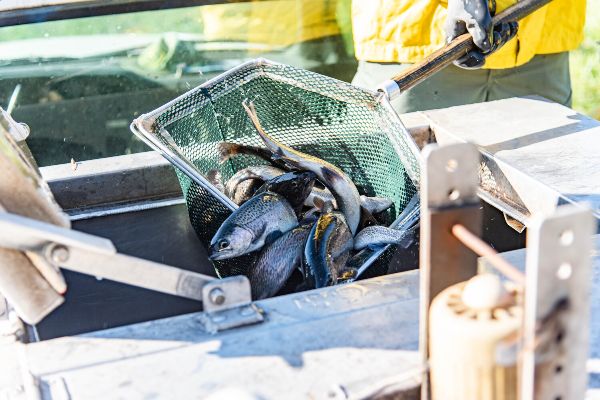
Every spring, trucks roll out from state hatcheries throughout trout country loaded with hatchery raised fish, mostly rainbows and browns. They back up to bridges, tip their tanks, and in a matter of minutes turn empty-looking water into “good fishing.” Anglers almost immediately line the banks. Limits get filled. License buyers feel, quite reasonably, that they’re getting something tangible for their money.
And yet, in more than a few places, that ritual is being quietly unwound.
Across the country—most visibly in states like Pennsylvania and Colorado—fishery managers are pulling back on stocking trout in streams that already support wild fish. The move has stirred predictable pushback from some. For many anglers, stocking is trout fishing. Take it away, and you take away the point. But the resistance also reveals a deeper divide over what trout fishing is supposed to be: a numbers game, or a test of skill shaped by water, weather, and fish that learned the hard way. The catch versus the experience.
Some would say, the hoi palloi vs the elitists. The Walmart anglers vs. L.L. Bean. Spinning vs fly tackle. Worms and eggs vs number 18 dries.
Pennsylvania has one of the largest trout programs in the East, with millions of hatchery fish stocked each year. It also has hundreds of miles of naturally reproducing trout water—wild browns, wild rainbows, and native brook trout that persist despite development pressure and heavy angling.
For years, those two realities overlapped. Stocked trout were dumped into streams that already held wild fish, often with little distinction between the two. But as biologists began taking a harder look at the data, that approach became harder to defend. In streams with healthy wild populations, stocking didn’t improve the fishery in any lasting way. It added short-term catch rates, then disappeared—sometimes literally within weeks—while increasing competition for food and space during the most stressful parts of the year.
That realization led to change. In certain Pennsylvania streams with strong natural reproduction, stocking has been reduced or eliminated altogether. The intent isn’t to punish anglers. It’s to let the stream settle into its natural carrying capacity and allow wild trout to do what they’ve done for centuries: survive, grow, and adapt.
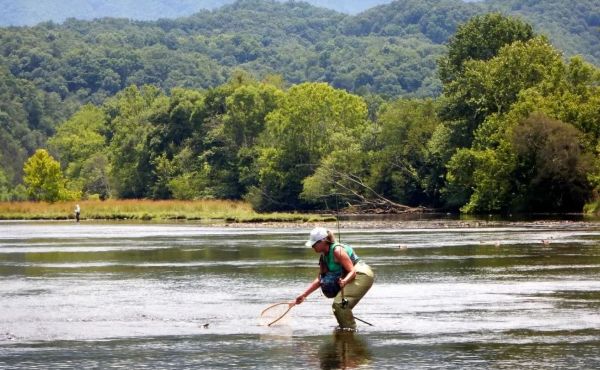
The response has been mixed. Anglers who value steady action—especially those fishing with kids or newcomers—argue that stocked fish are essential. They’re not wrong. A hatchery rainbow is far easier to catch than a wild brown that’s spent three seasons dodging mergansers and anglers. But others see the shift as overdue. A wild trout stream, they argue, should be managed like one—not treated as a delivery chute for disposable fish.
Colorado’s debate follows a similar line, though with a western accent. There, the tension often centers on native trout, especially cutthroats, and the legacy of decades of stocking non-native species into waters that once held only locals. In some cases, Colorado Parks and Wildlife has gone further than Pennsylvania, actively removing non-native trout to rebuild native populations. In others, it has simply stopped stocking where wild fish are already doing the work themselves.
Colorado anglers are no strangers to tough fishing. Many are willing—eager, even—to trade easy limits for wary trout in clear water. In that context, the argument against stocking isn’t academic. Hatchery fish can flatten the challenge of a stream, at least temporarily, and shift angler behavior in ways that don’t help wild trout. Heavy pressure follows stocking trucks. Fish get handled repeatedly. Spawning redds get trampled. Then the trucks move on, and what’s left is a stressed system trying to clean up the mess.
There’s also a practical side to the argument that rarely gets discussed outside agency meetings. Stocking costs money. Raising trout, hauling them, and putting them in the water is expensive. In streams that don’t need it, those dollars could instead go toward habitat work—riparian restoration, barrier removal, better flow management—the unglamorous fixes that actually keep wild trout on the map.
None of this means stocking is pointless. It serves a real purpose, especially in heavily altered waters where natural reproduction is limited or impossible. Stocked trout keep people fishing. They introduce beginners to the sport. They spread angling pressure across more water. Taken on its own, that’s a good thing. And license buyers fund state game and fish departments.
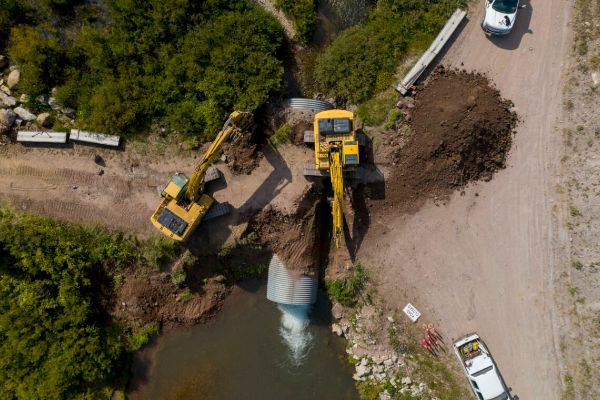
The problem comes when stocking is treated as a default rather than a tool. When every stream is managed the same way, regardless of what already lives there, the result is a blur—water that could be exceptional reduced to something merely adequate.
What’s often missing from the shouting is the idea of choice. Stocked fisheries and wild trout fisheries don’t have to compete with each other. They can complement each other. Let some waters provide fast action and easy success. Let others demand patience, quiet feet, and missed fish. Mark them clearly. Manage them honestly. Trust anglers to decide what they want on a given day.
A wild trout stream won’t always make you feel good about your skills. You may fish for hours and land nothing. But when it comes together—when the drift is right, the fly is right, and a fish that’s never seen a pellet decides to eat—it feels earned. That’s a different kind of value, one that doesn’t show up in creel counts or stocking reports.
The question, then, isn’t whether stocking is good or bad. It’s whether we’re willing to let some waters be what they already are. In Pennsylvania, in Colorado, and elsewhere, the answer is starting to shift. And for anglers who value the long game—the fish, the water, the challenge—that may be a change worth sticking with.
– Frank Sargeant
Frankmako1@gmail.com