
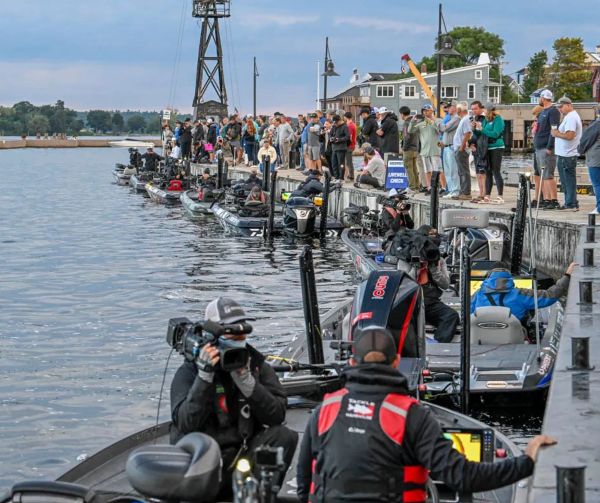
On paper, tournaments seem like an unalloyed good: passionate anglers, packed boat ramps, and lakes buzzing with energy. For local economies, they are undeniably a boon. Lodging fills up, restaurants serve fish stories alongside fried catfish, and tackle shops move more rods, reels, and lures in a weekend than they sometimes do all month. Sponsors love the exposure, and anglers relish the competition. But as any lake regular will tell you, there’s a tipping point. Too many tournaments on a single body of water can create tension—not just on the water, but in the ecosystem itself.
The problem is simple: fish stress. Bass, especially large, trophy-sized individuals, are remarkably resilient, but they’re not invulnerable. When a lake hosts multiple big events in a single month, the same fish can be caught, weighed, released, and caught again within hours. Even the best-managed tournaments with careful handling protocols can’t fully eliminate the cumulative stress. Over time, this can affect feeding behavior, growth rates, spawning success and even survival.
For tournament anglers, this is both practical and ethical. Hitting the same shallow flat where five other tournaments have been operating in the same week can produce fewer bites and smaller fish. Guides report that heavy weekend traffic can make once-predictable areas inconsistent for days afterward. And recreational anglers who fish outside tournament circuits may notice “ghost patterns,” where their usual spots seem emptier or more reluctant to produce.
Yet, tournament fishing isn’t all pressure and stress. The structured nature of competitive events can actually benefit local fisheries if handled responsibly. Professional tournaments collect data, often more systematically than state agencies, on fish size, locations, and seasonal movement. Subtle insights—like the early fall push of bass toward certain creek bends or the depth preferences of pre-spawn fish—can trickle down to the general angling public. These patterns help weekend anglers make smarter decisions without adding more pressure on a lake, creating a kind of informal “fish intelligence” shared through blogs, social media, and word of mouth.
From a community standpoint, tournaments are economic engines. Consider a mid-sized Tennessee or Alabama reservoir: a single weekend event can bring hundreds of boats, filling hotels, motels, and Airbnb properties. Local restaurants and gas stations see a surge, while bait and tackle shops benefit from last-minute purchases—topwater lures, spinnerbaits, electronics batteries, and even basic maintenance items. For small towns with tourism-dependent economies, tournament weekends can account for a significant portion of annual revenue. Removing or limiting these events can be an economic as well as cultural blow.
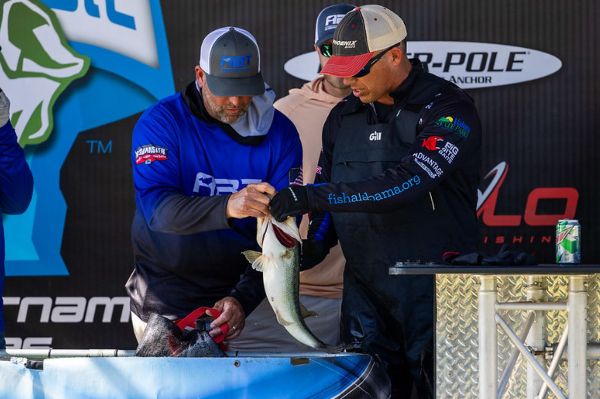
So how does a lake balance the scales? There’s no perfect formula, but several principles can help. First, spacing tournaments—either by weekend or by lake section—reduces repeated stress on the same population of fish. Many fisheries agencies now track tournament permits and recommend staggered scheduling, especially on smaller reservoirs. Second, emphasizing responsible catch-and-release techniques—proper handling, quick weigh-ins, and immediate release as in the Major League Fishing BPT—helps protect large, breeding-age bass. Third, involving local anglers in planning fosters goodwill. Regular fishing clubs, guides, and even recreational boaters can provide input on which areas should be lightly used or rested between events.
A less obvious benefit of this balance is education. Anglers observing tournament results often gain insights into lure selection, depth changes, and seasonal cues that they might never discover on their own. In other words, tournaments, when spaced reasonably, don’t just bring money—they increase overall angler knowledge and engagement, strengthening the fishing culture in the region.
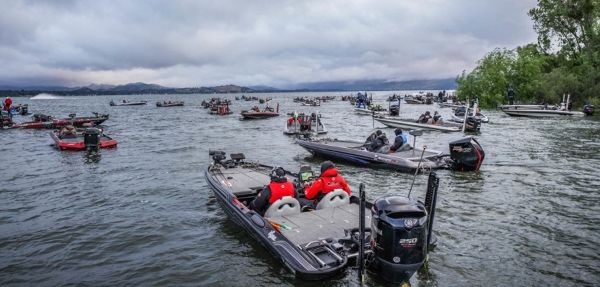
The key takeaway is that more tournaments are not inherently bad; overcrowding is. Like any resource, lakes respond to pressure, and repeated, overlapping competitions can temporarily change fish behavior. By staggering events, encouraging proper fish care, and fostering communication between tournament organizers and local anglers, communities can enjoy the financial and educational benefits of competitive fishing without tipping the ecosystem into decline.
Ultimately, the question isn’t just “how many tournaments are too many?” It’s whether the people organizing, attending, and regulating them are mindful of the fish, the lake, and the anglers who rely on both. When that balance is maintained, tournaments can be a win-win: they keep anglers challenged, communities thriving, and bass populations healthy enough to keep the cycle going year after year.
– Frank Sargeant
Frankmako1@gmail.com