
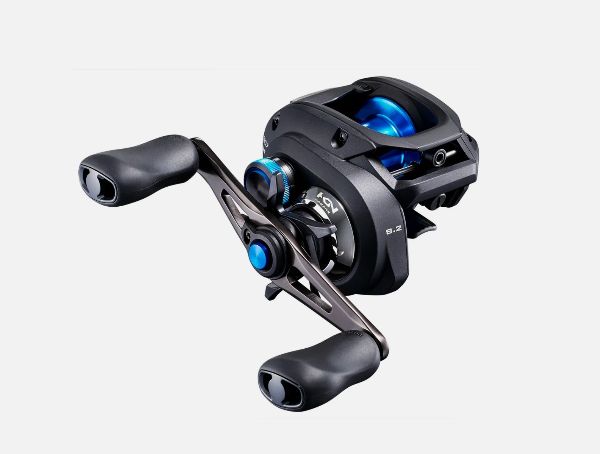
Everything else is digital—but baitcasting reels have been living in an analog world. That appears to be changing now with at least two well-known reel builders offering reasonably-priced digital cast control models that promise to do away with the biggest reason spinning reels sell so well—backlashes.
Of course, a skilled angler with an educated thumb can take an old Ambassadeur 5000 and fire a quarter-ounce lure through a donut at 100 feet with never a thought of over-runs, but for us mortals anything that reduces backlash, especially with lighter lures, is big news.
Digital baitcasting reels have been inching into the mainstream for several years, mostly on the promise of fewer backlashes and smoother casts.
Until recently, that promise came with a trade-off.
The electronics helped control the spool, but often at the cost of distance, feel, or flexibility. For anglers who already knew how to cast, digital control sometimes felt like a governor rather than an advantage.
The best-known systems come from Shimano, whose DC (Digital Control) reels have been around since 2018. They use a microcomputer to monitor spool speed thousands of times per second and apply braking as needed, per the company.
Models like the SLX DC, Curado DC, and Metanium DC have become familiar sights on bassboat decks. Prices range from roughly $220 for an SLX DC to more than $500 for a Metanium DC, putting them in competition with high-end mechanical reels.
Shimano’s DC’s read what’s happening as the spool spins and step in to keep things predictable. That’s a real benefit when throwing lighter lures, changing baits frequently, or dealing with wind. It’s also why DC reels have developed a reputation as “confidence reels”—especially for anglers who want to spend more time casting and less time picking out overruns.
What they haven’t been known for is raw distance. The braking systems—as with most other braking designs—cut casting distance. Good casters can turn them down to the point that they don’t—but then, what’s the point of having the digital feature?
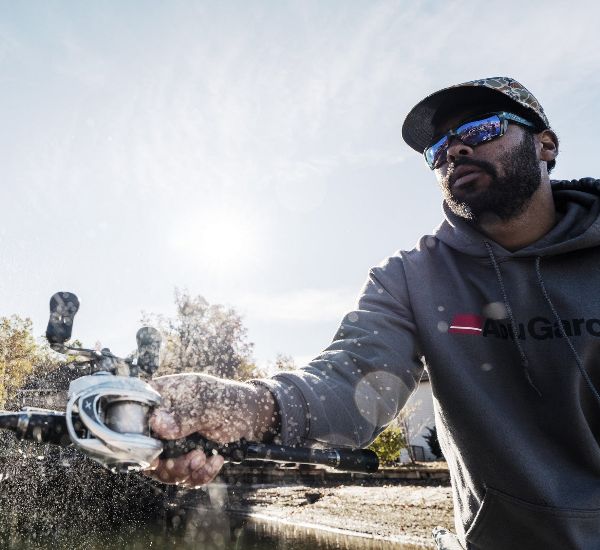
That’s where Abu Garcia’s new Revo X VoltiQ and Revo SX VoltiQ reels, about to be released, hope to find traction as the company’s first digital cast control platforms. Abu says that instead of applying steady resistance throughout the cast, VoltiQ adjusts braking dynamically as spool speed changes, using software designed to manage acceleration and deceleration differently depending on the selected setting.
At the center of the Abu system is a 10-setting digital brake. The lower end of that range—settings 1 through 3—effectively backs off braking during spool acceleration, then applies it sparingly as the lure slows, per the company. Abu Garcia refers to this as “Pro Mode,” and the idea is straightforward: let skilled casters access the kind of long, aggressive casts that digital reels have traditionally muted. There’s still a bit of finesse to prevent good casters from making bad casts at the lower settings—but this reel will most likely be helpful to us ham-and-eggers who are still feeling guilty about how often we put down the baitcaster and pick up the spinning rod because of the frequency of backlashes.
Settings 4 through 6 are said to apply braking more evenly throughout the cast, landing in a middle ground the company says will feel familiar to anglers used to traditional digital systems. The higher settings increase braking during both acceleration and deceleration, aimed at windy conditions, air-resistant baits, or heavier line where control matters more than distance. Setting 10 applies maximum braking across the entire cast. The one I’ll use when throwing anywhere but straight downwind, I’d guess.
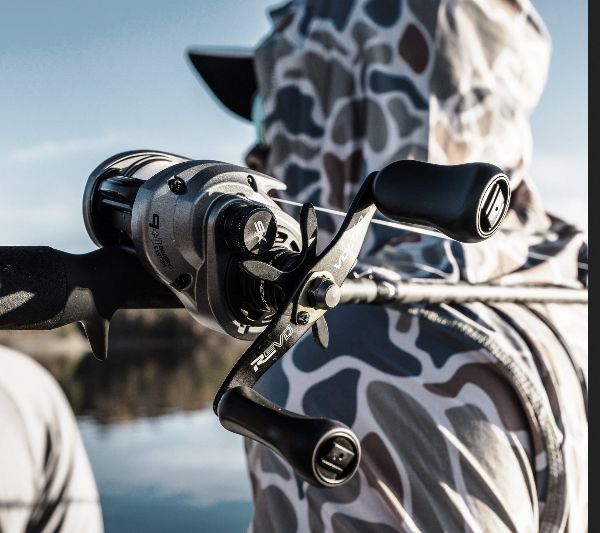
But the company notes that VoltiQ is built to get out of the way when conditions and technique allow. That’s a meaningful distinction for experienced anglers who’ve avoided digital reels because they felt capped. Theoretically you get the range of a conventional baitcaster but not the backlash potential.
The system is also self-powered, requiring no batteries, and the brake unit is fully sealed and IPX-8 rated for submersion and saltwater exposure. That matters for longevity and peace of mind, especially for anglers wary of electronics near spray, rain, or rinse hoses.
Pricing places the VoltiQ reels directly into the heart of the digital market. The Revo X VoltiQ lists at $199.95, undercutting many DC reels, while the Revo SX VoltiQ comes in at $249.95 with upgraded bearings and frame materials. They’ll be showing up in tackle shops and online later this month, per Abu.
The company is hosting a hands-on intro soon, and we’ll have further details on the reels then.
– Frank Sargeant
Frankmako1@gmail.com