

Across the country, lake managers are increasingly turning to a restoration tool more often associated with water treatment plants than sport fishing: alum.
Short for aluminum sulfate, alum is used to control phosphorus in lakes suffering from chronic algae blooms and declining water quality. For anglers, the changes can be visible—clearer water, recovering aquatic vegetation, and improving habitat for gamefish. (We note here this is not potassium aluminum sulfate, which is cooking alum—the stuff that makes dill pickles crisp after months in the jar.)
Scientists till us that the underlying problem in many lakes is phosphorus. Runoff from fertilizers, septic systems, livestock operations, and urban stormwater gradually enriches lake water with nutrients that fuel algae growth. As blooms increase, water clarity drops, oxygen levels fluctuate, submerged vegetation dies off and fish habitat declines.
But the biggest reservoir of phosphorus is often the lake’s bottom.
Over decades, nutrients accumulate in bottom sediments. Under warm temperatures or low-oxygen conditions, that stored phosphorus leaks back into the water column, feeding new algae blooms. Scientists refer to this as “internal loading,” and it can keep lakes in a degraded state long after outside nutrient inputs are reduced.
Alum is alleged to work to interrupt that cycle.
Per the study, when applied to lake water, aluminum sulfate binds with phosphorus and forms a fine, harmless precipitate that settles to the lake bottom. The material locks phosphorus into the sediments and forms a thin barrier layer that prevents additional nutrients from escaping into the water column.
Because phosphorus typically fuels algae growth in freshwater lakes, reductions in that nutrient often lead to measurable improvements in water clarity.
Projects around the country have documented substantial declines in phosphorus and algae following alum treatments. In Bald Eagle Lake in Minnesota, a large-scale application reduced phosphorus concentrations by roughly two-thirds while water clarity increased from about five feet to more than fifteen. Similar results have been documented in lakes throughout the Midwest and Northeast where phosphorus trapped in sediments was the primary driver of algae blooms.
Clearer water allows sunlight to reach deeper areas of the lake, encouraging the return of submerged vegetation. These plant beds stabilize bottom sediments, provide habitat for aquatic insects and forage fish, and create cover used by predators, including the fish we all love—bass, bluegills, crappies and others.
That habitat recovery is often the turning point for a lake’s fishery.
A large restoration effort now underway in central Florida illustrates how the approach is being applied in the Sunshine State.
I fished Lake Yale, near the town of Umatilla, several times in the 1980’s, when the water was clear and full of submerged vegetation, and the fishing was astounding. Running live shiners along the hydrilla edges would turn out 5 to 7 pound bass in amazing numbers, and fish 8 pounds and up were not rare.
It’s not that way anymore, to say the least. The 4,000-acre lake struggled with recurring algae blooms and cloudy water in recent years, to the point that it’s rarely fished today, and swimming in the murk is not an option.
Interestingly, according to FWC researchers, much of the phosphorus driving those blooms was coming not from new pollution sources but from nutrients already stored in bottom sediments.
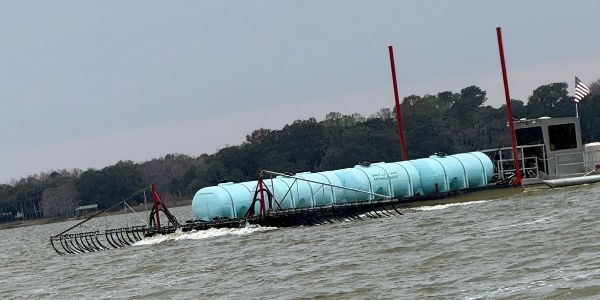
The Lake County Water Authority began an alum treatment program this year to address that internal loading. A barge equipped with tanks and injection equipment applied measured doses of aluminum sulfate designed to bind phosphorus and keep it from fueling additional blooms.
Limnologists with the Florida Department of Environmental Protection estimate that roughly 80 percent of the nutrient driving Lake Yale’s algae problems originates in the sediments.
By locking that phosphorus in place, the treatment is expected to reduce the frequency and intensity of blooms while improving oxygen levels and overall water quality.
FWC fisheries managers expect those changes to translate into better habitat for fish over time. Clearer water allows aquatic vegetation to expand, providing structure and forage that support sportfish populations.
Water samples are being collected before, during, and after treatment to track changes in phosphorus, algae levels, and oxygen.
Alum treatments have been used in lake management since the late 1960s, but improved monitoring and application techniques have made them more precise and reliable. Modern projects carefully calculate dosage based on water chemistry, sediment composition, and lake depth, and pH levels are monitored during application to ensure conditions remain safe for fish and other aquatic life.
When internal loading is the main cause of algae blooms, alum treatments can provide long-lasting results. Studies of restored lakes have shown phosphorus control lasting many years, particularly when watershed nutrient inputs are reduced at the same time.

Those watershed efforts—stormwater controls, agricultural runoff reduction, and improved septic management—are often the long-term necessities of lake recovery. Alum addresses the legacy nutrients already stored in the system.
In lakes where both approaches are used, water clarity can improve enough to restore the underwater plant communities that support healthy fisheries.
For anglers, that shift can mean the return of grass beds, stable oxygen levels, and forage populations capable of supporting strong year-classes of bass and panfish.
In places where algae once dominated the water column, the goal is a lake that again looks—and fishes—like a natural system.
– Frank Sargeant
Frankmako1@gmail.com