
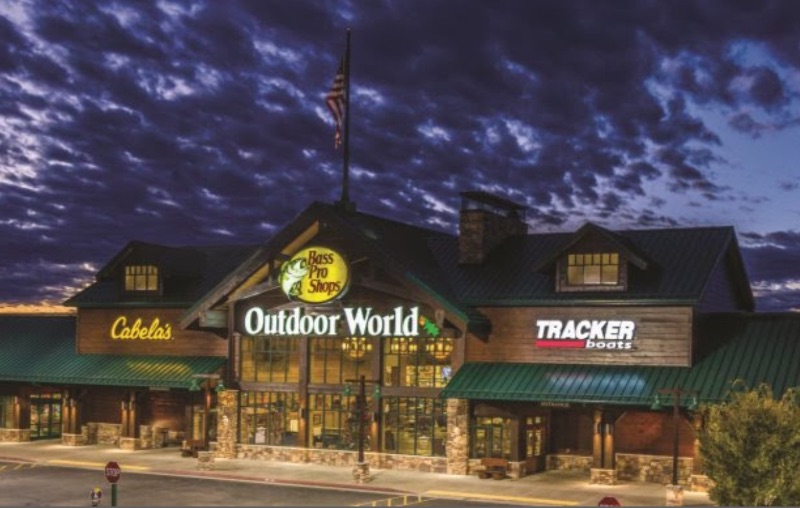
Many who sell tackle, boats, marine electronics, and other outdoor gear are sensing a shift in sales across the country. Recreational fishing and boating haven’t collapsed, but the pandemic-era lift has disappeared. Participation is slipping, older anglers and boaters are aging out faster than young people are stepping in, spending is tighter, and some prior assumptions about the market may no longer hold.
Recent U.S. Fish and Wildlife Service estimates show licensed angler numbers down more than 8.5 percent between 2021 and 2023. Reported U.S. tackle sales were off about 8% from 2023 to 2024. That doesn’t mean fishing is in existential trouble, but it does signal a return to a market where growth is a challenge and just staying even is a success.
On the boating side, the National Marine Manufacturers Association (NMMA) reports new powerboat unit sales down roughly 8–10 percent in 2025 versus 2024, with pre-owned sales off about 6.5 percent in 2024 compared with 2023. These declines probably reflect consumer caution under economic pressures rather than abandonment, but they definitely draw the attention of those in the business.
Southwick Associates’ Angler Monitor, a quarterly snapshot relied on by many in the industry, shows that anglers are fishing less often and buying more selectively. Inflation, higher costs for imported goods, fuel, and unpredictable weather all influence participation and spending decisions, per Southwick.
The core customer remains: anglers and boaters who fish regularly, own boats, and upgrade gear haven’t disappeared. Many spend more deliberately, but they haven’t left. Softness is most pronounced in casual participants—those who fished a few times during COVID and now face work, family, and cost constraints—or those who use their boats for pursuits other than fishing.
Demographics add complexity. Anglers and boaters continue to skew older, especially in freshwater. Recruitment programs may attract younger participants, but retention is the real challenge. Access limits opportunities in some areas: ramps are crowded or in disrepair, and water can feel farther away in fast-growing metro regions.
Environmental factors also influence participation. Southern anglers face extended heat in summer, cold-killed fish in winter. Some Western reservoirs are shrinking, and coastal waters contend with habitat loss, water quality issues, and infrastructure damage from hurricanes and rising seas. These conditions directly affect trips, purchases, and engagement with retailers.
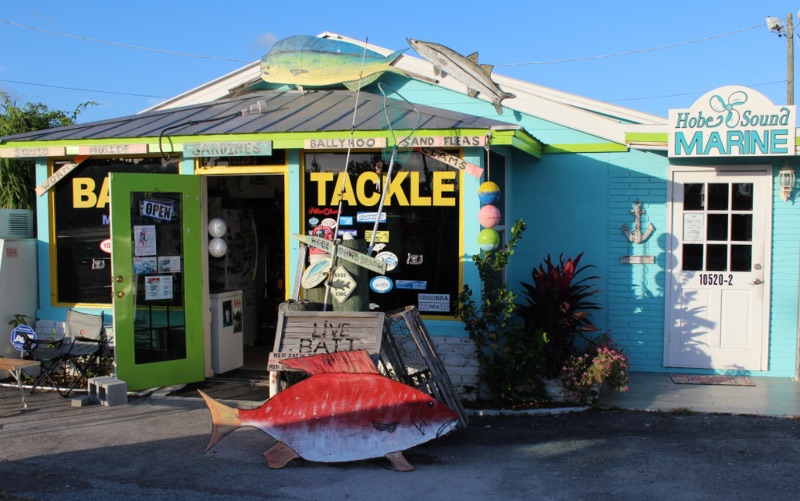
Despite these challenges, there are clear bright spots.
Kayaks remain strong. Sales have held up better than many traditional boat categories, particularly for new or lapsed anglers. They offer lower cost, minimal storage, no fuel, and access to waters that larger boats can’t reach. For retailers, kayaks often serve as entry points, generating follow-on sales in electronics, paddles, safety gear, and tackle.
Forward-facing sonar is another high-dollar growth driver. Once a tournament novelty, it has quickly become mainstream among serious anglers. Upgrading electronics often triggers cascading purchases—new graphs, transducers, mounts, batteries, wiring, and trolling motors. A single electronics upgrade can represent thousands of dollars in retail revenue, offsetting softness elsewhere and reinforcing dependence on committed, gear-intensive customers.
Online influencers and social media now play a measurable role in sales. YouTube, Instagram, TikTok, and podcast-driven anglers affect product discovery and purchase decisions, particularly for electronics, rods, lures, and kayak accessories. Viral demos or reviews can drive weekend spikes in sales. For retailers, the takeaway is that many buyers arrive pre-informed, opinionated, and price-conscious. Aligning inventory, training staff, and supporting credible creators can turn attention into actual sales. So can getting likely customers out in a boat for an hour or two—especially if you want to demo forward-facing sonar.
Fishing and boating remain flexible activities. Entry-level sonar, safer, more versatile kayaks, electric propulsion, and smaller boats have lowered barriers that previously kept people off the water. Spending hasn’t disappeared—it has become selective. Anglers are less interested in owning everything and more interested in owning the right gear. Companies that understand how, where, and why customers fish and boat are positioned to succeed.
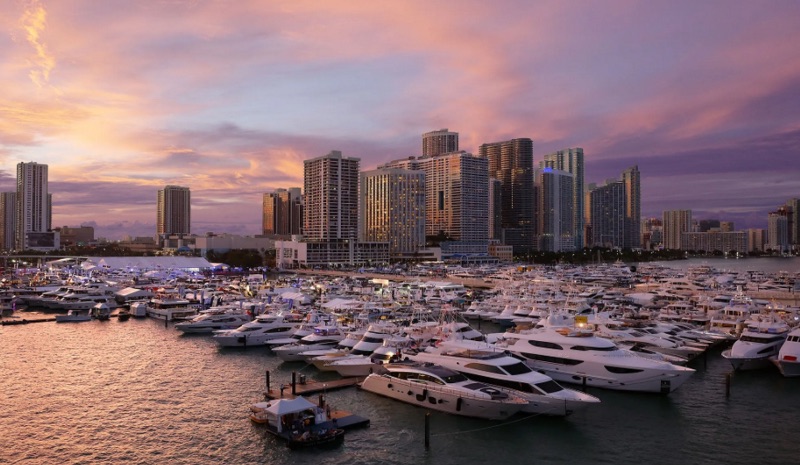
So what might thriving look like in this climate? Here’s what some of my more successful industry friends tell me:
- Focus on core customers. Build assortments, messaging, and services around frequent anglers and boaters who upgrade thoughtfully, rather than chasing casual participants.
- Reduce friction at the point of sale. Financing, bundled rigging packages, trade-ins, and turnkey kayak setups help hesitant buyers move forward without surprises.
- Sell confidence, not just gear. Demo days, electronics training, rigging clinics, and local partnerships give customers confidence to buy and reasons to engage beyond a single transaction.
- Localize inventory and access strategies. Support ramps and access projects, local stocking where appropriate and conservation efforts. When participants see as part of their community, they’re more likely to deal with you rather than a distant online marketer.
Fishing and boating have always moved in cycles, shaped by economics, weather, and culture. This moment may feel challenging, but it is also clarifying. The businesses that succeed will be those that understand who their customers are today and adapt with precision. Opportunity is still out there ready to strike—it’s just a bit harder to land now.
– Frank Sargeant